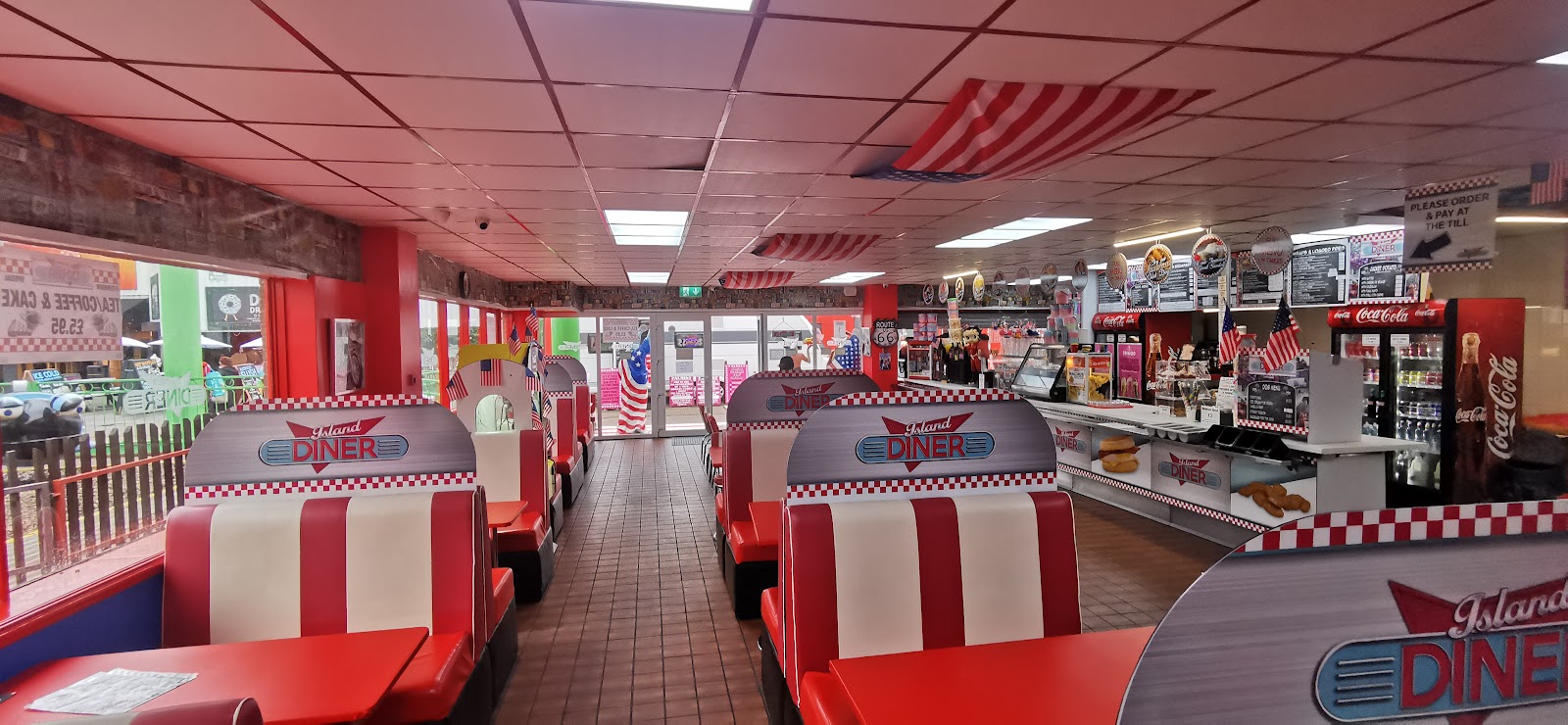
Fantasy Island Theme Park
Free-entry theme park with the famous pyramid, big rides and Europe's largest seven-day market.
IngoldmellsLandmark
View listing
Find food, pubs, caravan parks, fishing and things to do in Ingoldmells — all in one place.
Ingoldmells sits just three miles north of Skegness and has, over the past four decades, transformed itself into one of the densest concentrations of holiday parks in the country. Fantasy Island anchors the village — its iconic pyramid visible for miles — and around it sprawls a network of caravan sites, static parks, market stalls, late-opening bars and family-friendly food spots that hum from Easter through to October.
Local knowledge
Quick on-the-ground tips from people who know the area.
Local guide
What visitors actually need to know about Ingoldmells.
Ingoldmells sits just three miles north of Skegness and has, over the past four decades, transformed itself into one of the densest concentrations of holiday parks in the country. Fantasy Island anchors the village — its iconic pyramid visible for miles — and around it sprawls a network of caravan sites, static parks, market stalls, late-opening bars and family-friendly food spots that hum from Easter through to October.
Landmarks
The headline attractions and landmarks every visitor should know about — tap for opening times, contact details and what's on.
Free-entry theme park with the famous pyramid, big rides and Europe's largest seven-day market.
The legendary outdoor market — bargain stalls, food and crowds through the season.
Family farm attraction on the edge of Ingoldmells — perfect rainy-day backup.
The huge resort park anchoring the north end of Ingoldmells.
Wide, flat sand backed by dunes — quieter than Skegness and great for kids.
Already listed? Claim it free. Not listed? Add it free.
Free • Add or claim your listing
Keep exploring
More of this town, plus places just along the coast.
Find karaoke, bingo, live music and events happening right now.
📍 Shown to people looking for things to do TONIGHT on the Lincolnshire Coast
Showing tonight's events across the coast — see all what's on in Ingoldmells.
Ingoldmells
Fish & chips, Indian, Chinese, kebabs and family takeaways across Ingoldmells — see menus, opening hours and call direct.
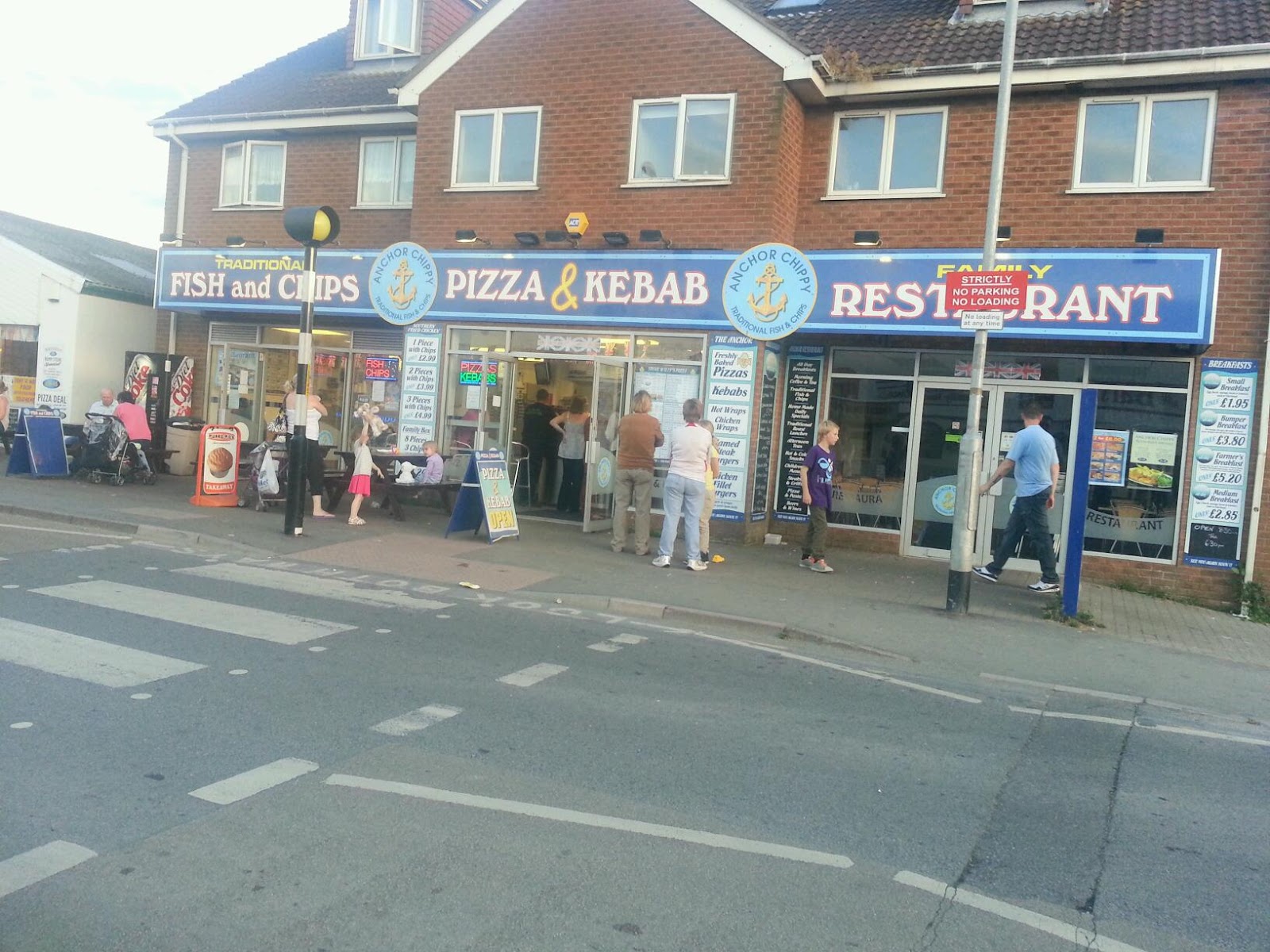
Tucked off the main strip, Anchor is the chippy locals quietly recommend to visiting caravan friends.
Own this business? Claim it free
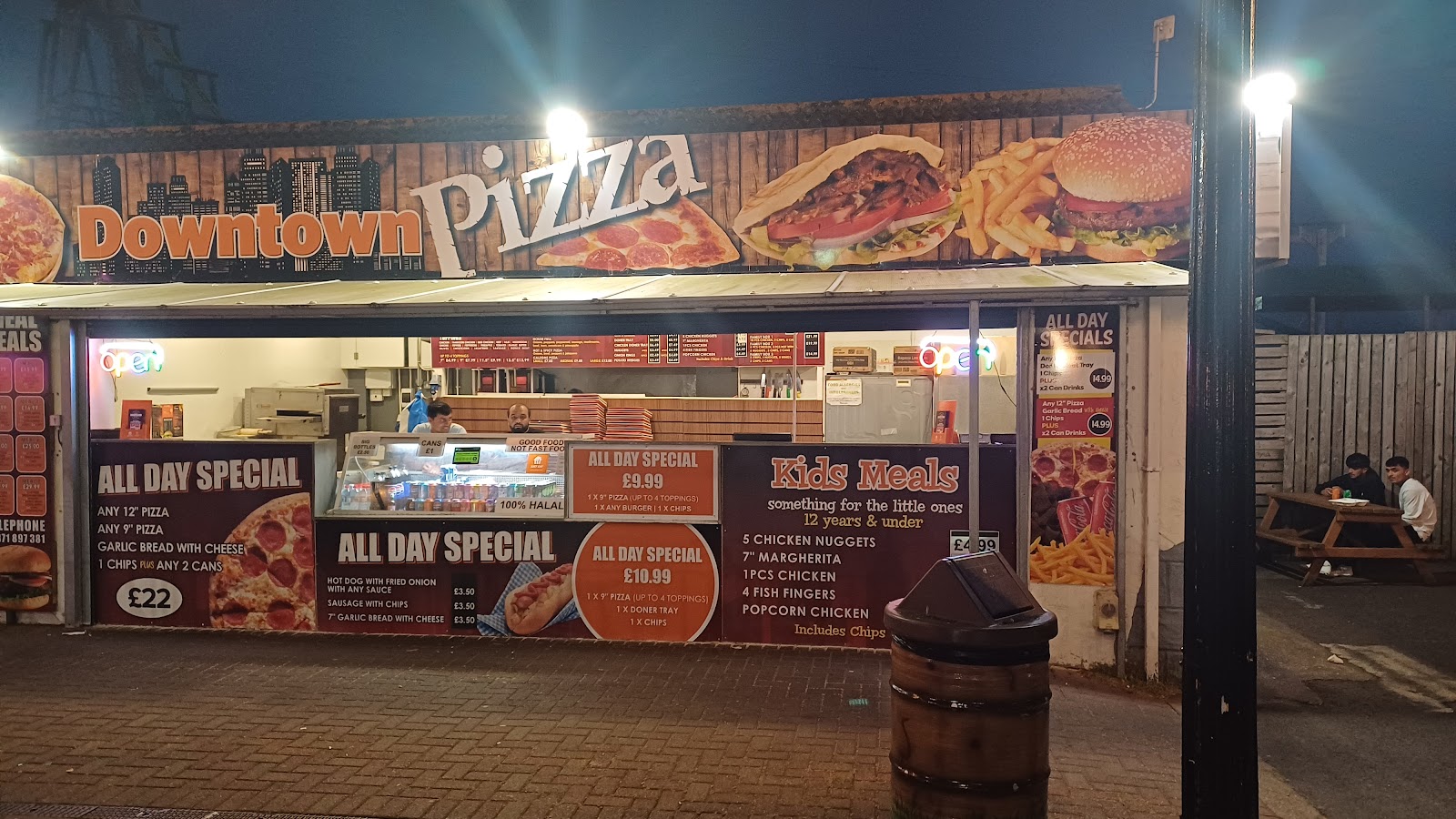
Late-opening pizza and kebab spot right by Fantasy Island — handy after the arcades.
Own this business? Claim it free

Frankie Tomatos is an Italian eatery in Ingoldmells. The menu features a selection of pizzas and pasta dishes available for dine-in or takeaway service.
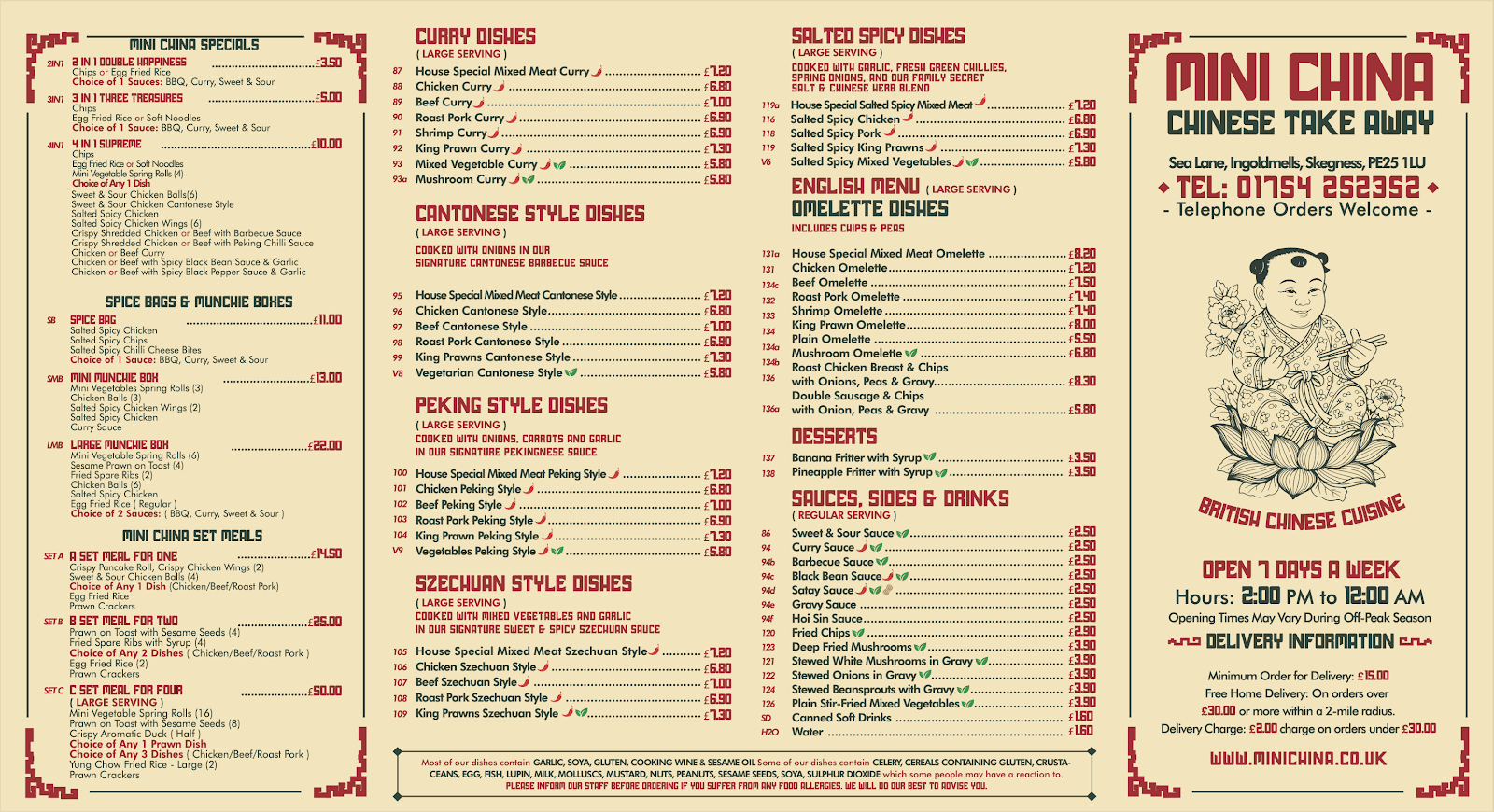
Bright little Chinese kitchen on Sea Lane doing all the classics fast and fresh.
Own this business? Claim it free
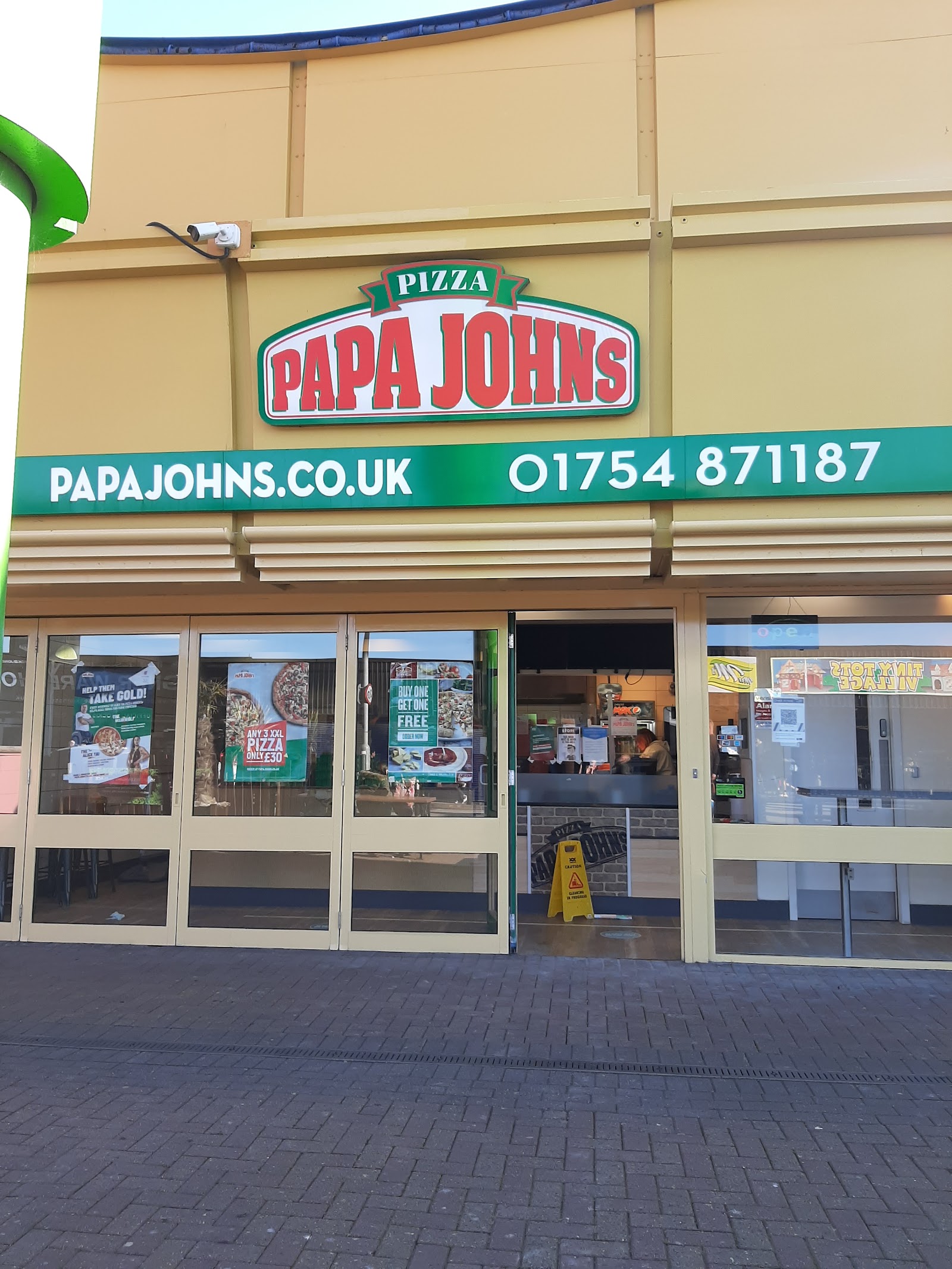
Located in Ingoldmells, this pizza takeaway offers delivery and collection. The menu features a variety of pizzas, sides, desserts and soft drinks.
Own this business? Claim it free
%22%2F%3E%0A%20%20%3Crect%20width%3D%221200%22%20height%3D%22900%22%20fill%3D%22url(%23glow)%22%2F%3E%0A%20%20%3Ccircle%20cx%3D%221032%22%20cy%3D%22162%22%20r%3D%22180%22%20fill%3D%22%23DC2626%22%20opacity%3D%220.14%22%2F%3E%0A%20%20%3Ccircle%20cx%3D%22144%22%20cy%3D%22774%22%20r%3D%22220%22%20fill%3D%22%23DC2626%22%20opacity%3D%220.12%22%2F%3E%0A%20%20%3Cg%20transform%3D%22translate(440%20198)%20scale(5)%22%3E%0A%20%20%20%20%3Ccircle%20cx%3D%2232%22%20cy%3D%2232%22%20r%3D%2234%22%20fill%3D%22%23ffffff%22%20opacity%3D%220.18%22%2F%3E%0A%20%20%20%20%3Cpath%20d%3D%22M14%2012v22a6%206%200%200%200%206%206v14m24-42v14a6%206%200%200%201-6%206v22M28%2012v14%22%20fill%3D%22none%22%20stroke%3D%22%237C2D12%22%20stroke-width%3D%223%22%20stroke-linecap%3D%22round%22%20stroke-linejoin%3D%22round%22%20opacity%3D%220.85%22%2F%3E%0A%20%20%3C%2Fg%3E%0A%20%20%3Ctext%20x%3D%2250%25%22%20y%3D%2278%25%22%20text-anchor%3D%22middle%22%20dominant-baseline%3D%22middle%22%0A%20%20%20%20%20%20%20%20font-family%3D%22-apple-system%2CBlinkMacSystemFont%2C'Segoe%20UI'%2CRoboto%2Csans-serif%22%0A%20%20%20%20%20%20%20%20font-weight%3D%22800%22%20font-size%3D%2262%22%20fill%3D%22%237C2D12%22%3EPoint%20Pizza%3C%2Ftext%3E%0A%20%20%3Ctext%20x%3D%2250%25%22%20y%3D%2286%25%22%20text-anchor%3D%22middle%22%20dominant-baseline%3D%22middle%22%0A%20%20%20%20%20%20%20%20font-family%3D%22-apple-system%2CBlinkMacSystemFont%2C'Segoe%20UI'%2CRoboto%2Csans-serif%22%0A%20%20%20%20%20%20%20%20font-weight%3D%22700%22%20font-size%3D%2226%22%20fill%3D%22%23B45309%22%20letter-spacing%3D%226%22%3EFOOD%20%C2%B7%20TRIPTOCK%3C%2Ftext%3E%0A%3C%2Fsvg%3E)
Independent pizzeria on the strip — fresh dough, proper toppings, no chain feel.
Own this business? Claim it free
Ingoldmells
Traditional pubs, sports bars and live music venues in Ingoldmells — find what's on tonight and where to drink.

Traditional Ingoldmells inn with karaoke and bingo nights.
Own this business? Claim it free
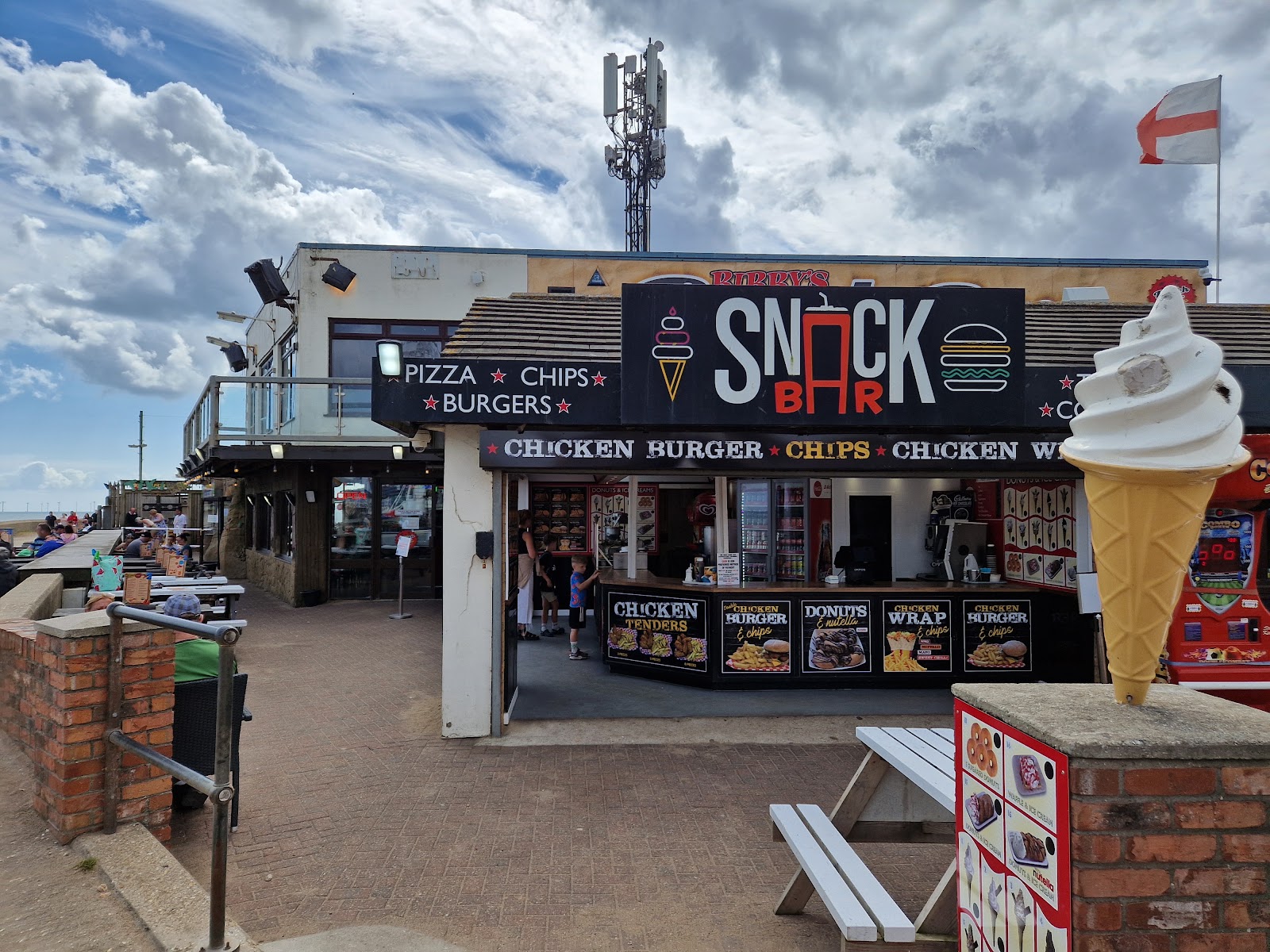
Bibby's Beach Bar is a licensed premises located in the coastal village of Ingoldmells on the Lincolnshire coast. This seaside venue is situated on the promenade, positioned between the beach and local amusement parks. As a beach bar, it serves a variety of beverages to visitors and residents in the district of East Lindsey. The building is a functional structure designed for seasonal coastal trade and features outdoor seating areas overlooking the North Sea. It operates within the local hospitality sector, providing a facility for socialising in a seaside setting close to residential holiday parks and public transport links.
Own this business? Claim it free
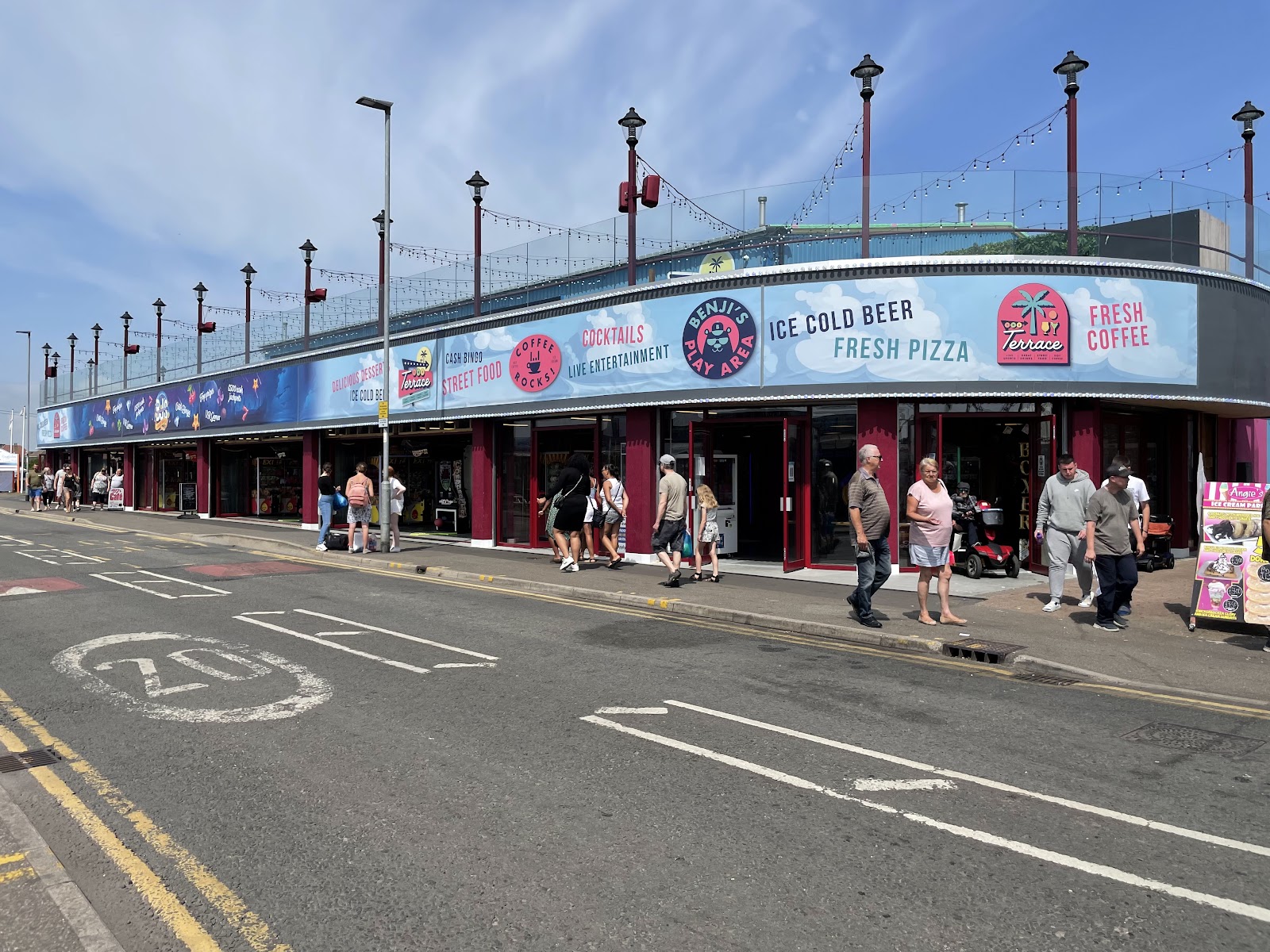
BJ's Leisure and The Terrace Bar is located in Ingoldmells on the Lincolnshire coast. This establishment operates within the local leisure and nightlife sector of the seaside resort. The venue functions as a pub and bar, situated near the coastline and several holiday parks. It provides indoor and outdoor areas for visitors to the town. The premises are positioned among the commercial developments common to this coastal area. This business contributes to the selection of licensed venues available in Ingoldmells. Its location places it within walking distance of the seafront and local residential areas.
Own this business? Claim it free
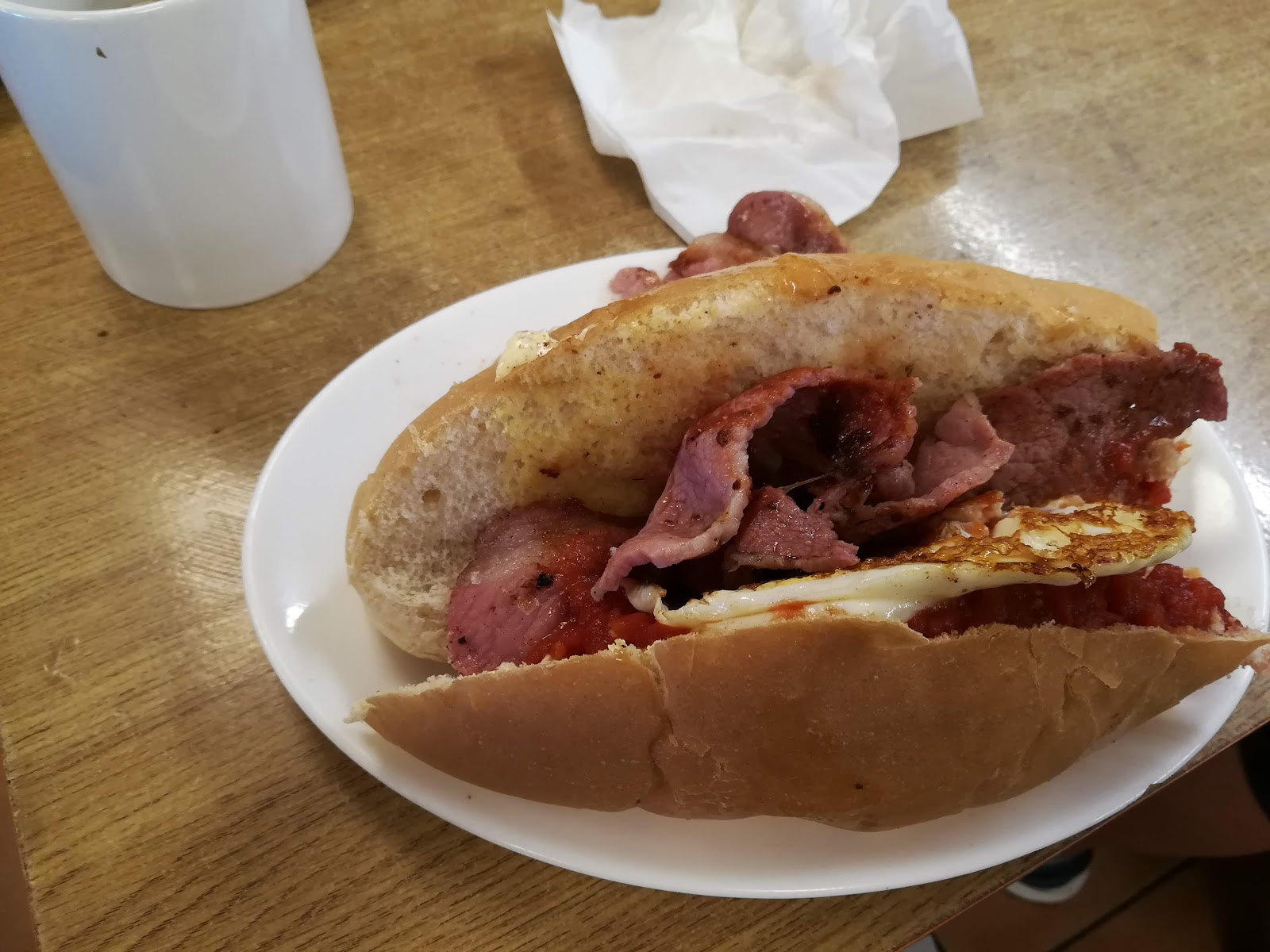
Castaways venue at Fantasy Island — karaoke, bingo and live shows.
Own this business? Claim it free
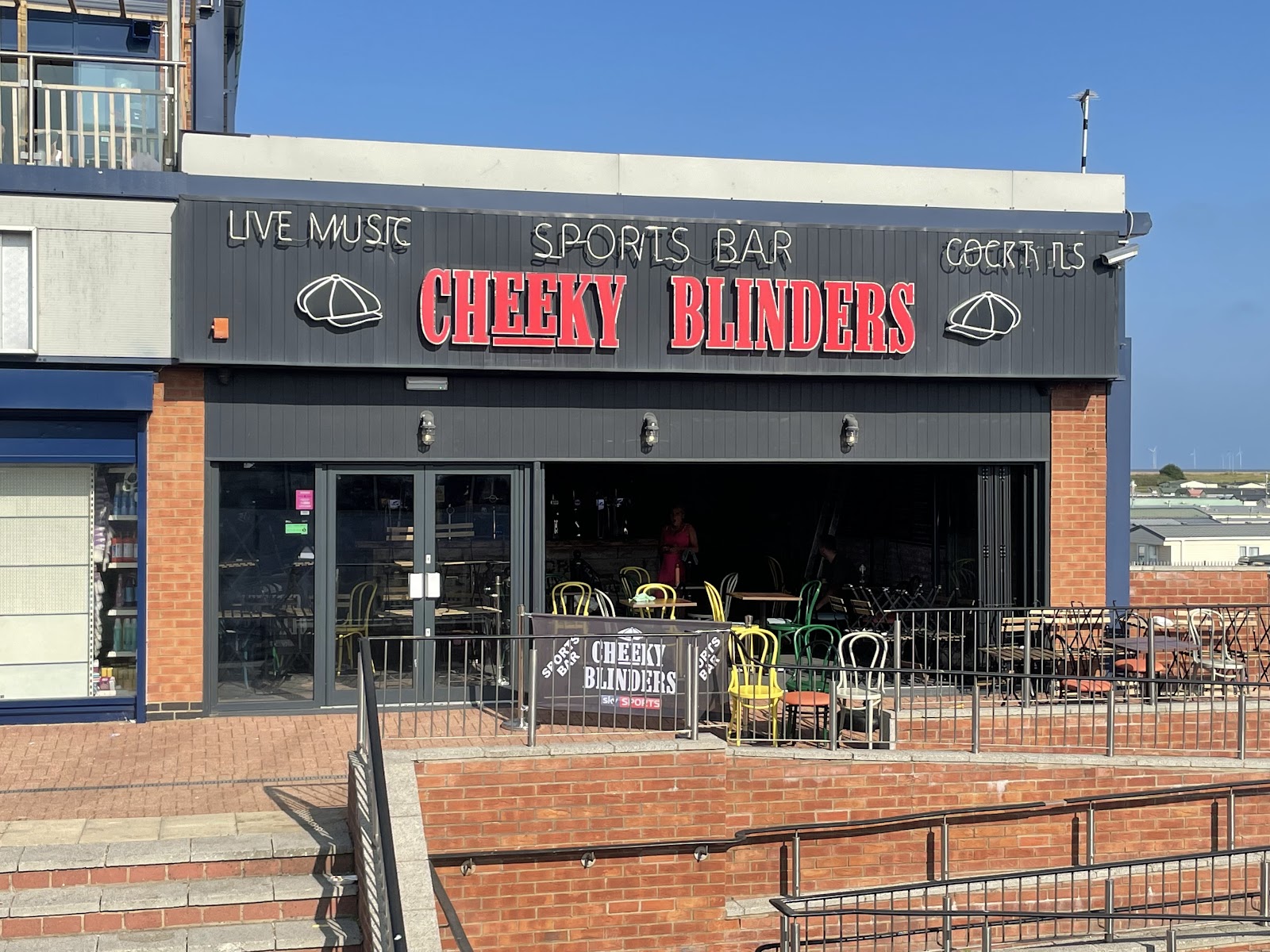
Cheeky Blinders Sports Bar is a licensed venue located in Ingoldmells on the Lincolnshire coast. It operates as a pub and bar within this seaside resort near Skegness. The establishment is situated amongst the various tourist attractions and nightlife options that characterise this coastal area. It provides a dedicated space for visitors and residents in the local community. The premises are positioned within the central district of Ingoldmells, contributing to the range of hospitality services available in this part of England. This bar forms part of the local infrastructure serving the town and the surrounding coastal region throughout the year.
Own this business? Claim it free
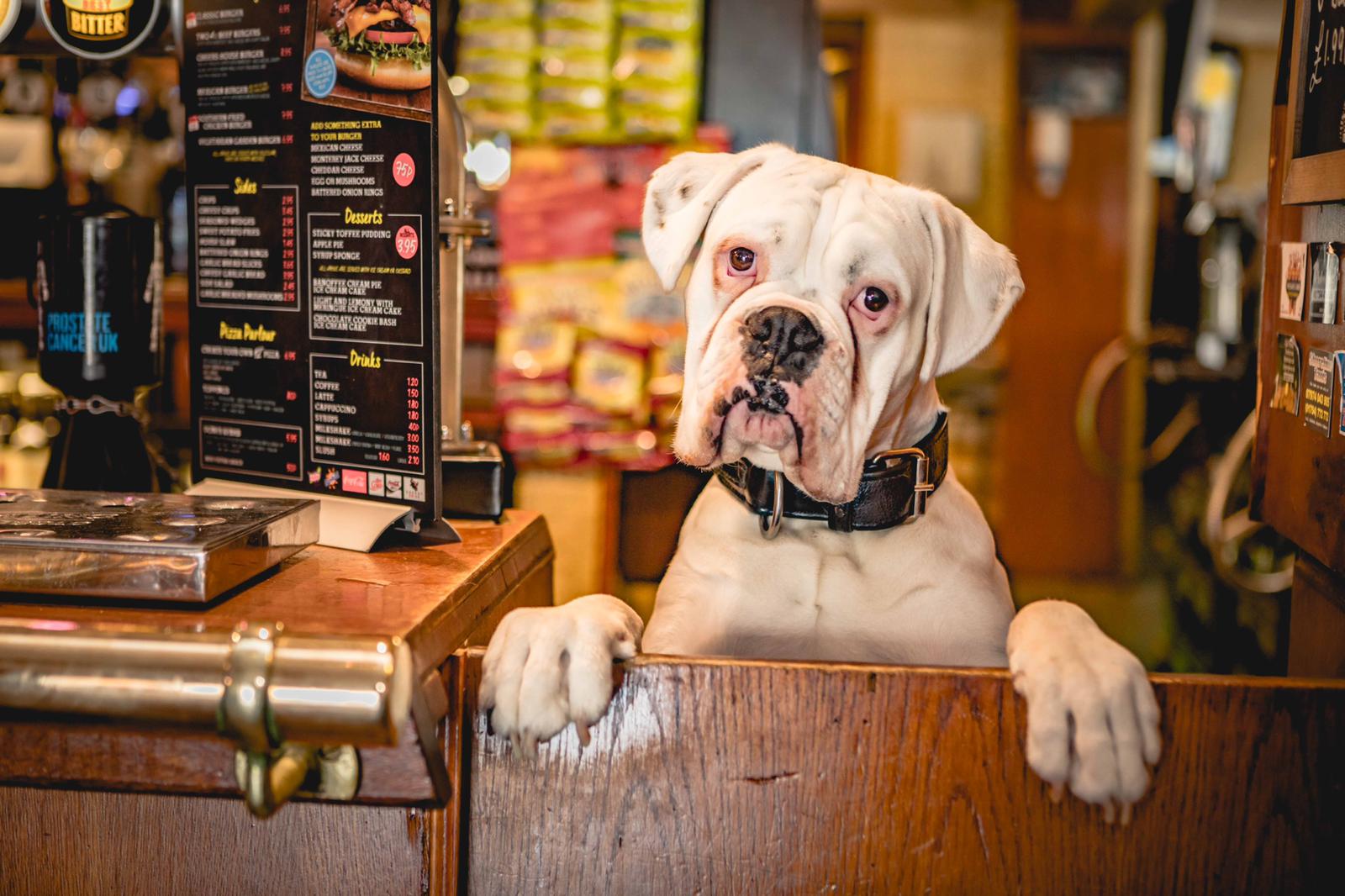
Lively Ingoldmells bar with karaoke, bingo and live entertainment most nights.
Own this business? Claim it free
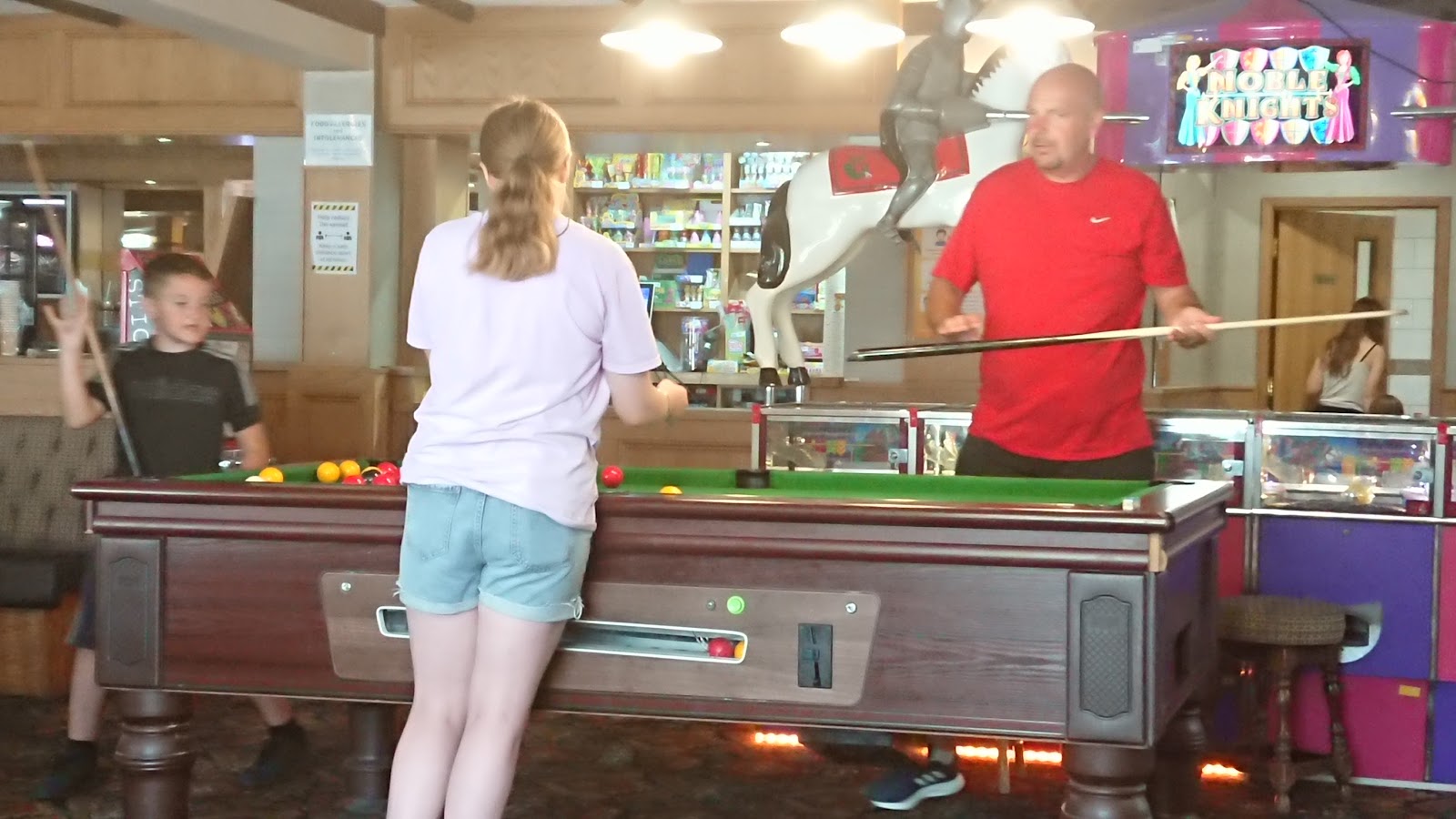
The Four Winds Tavern is a licensed pub and bar located in Ingoldmells, a village situated on the Lincolnshire coast. The venue occupies a position within the coastal resort area near the North Sea. It operates as part of the local nightlife and hospitality sector common to British seaside destinations. The establishment is situated in proximity to surrounding holiday parks and leisure attractions typical of the East Norfolk and Lincolnshire shoreline. This venue provides a location for residents and visitors to the area. It functions as a social space within the regional infrastructure of the Ingoldmells coastline.
Own this business? Claim it free
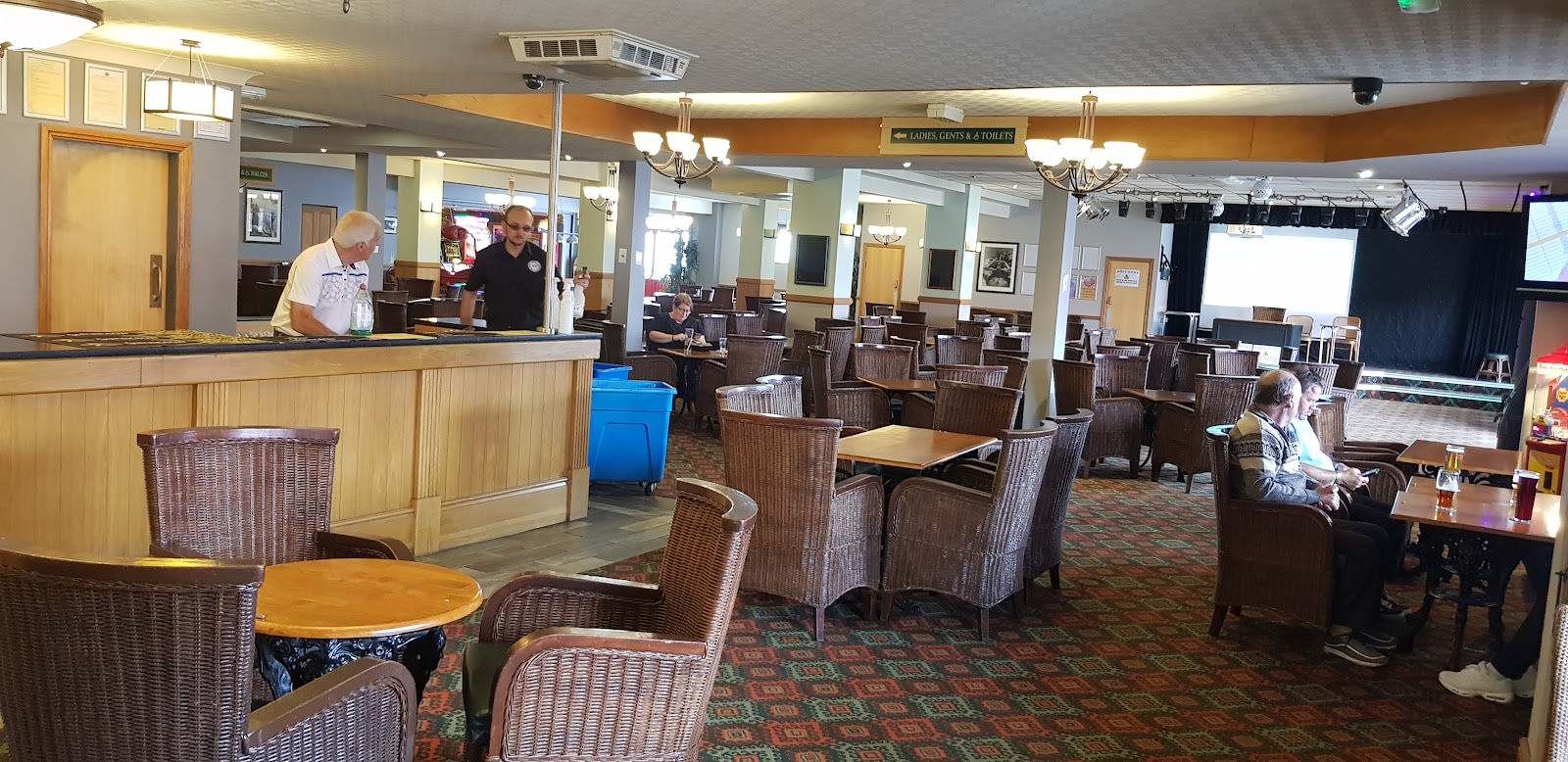
Oasis Bar is a licensed venue located in the seaside town of Ingoldmells on the Lincolnshire coast. This establishment operates within the local hospitality sector and is categorized as a bar and pub. Situated near the coastline of East Lindsey, it forms part of the commercial landscape of this coastal destination. The venue provides a space for visitors and residents within the context of the local nightlife and social environment. It is positioned among the various leisure and tourism businesses that characterize this part of the Lincolnshire seaside. Oasis Bar is located within reach of the central amenities and attractions found in Ingoldmells.
Own this business? Claim it free
Ingoldmells
Static caravans, touring pitches and holiday parks in and around Ingoldmells — perfect for weekends and full breaks.
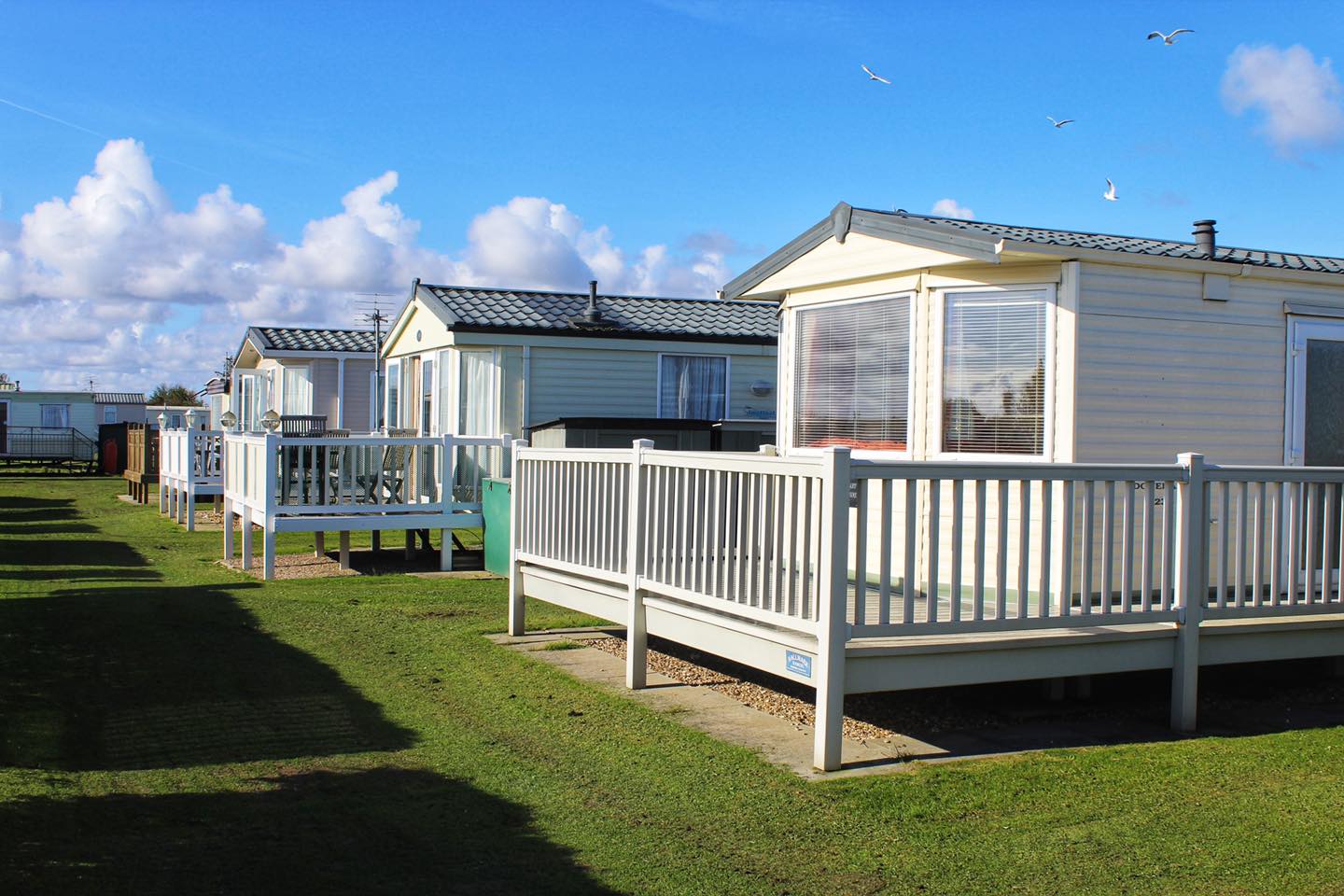
Blue Anchor Leisure Park is a popular caravan parks in Ingoldmells, a friendly local spot well worth a visit on the Lincolnshire coast.
Own this business? Claim it free
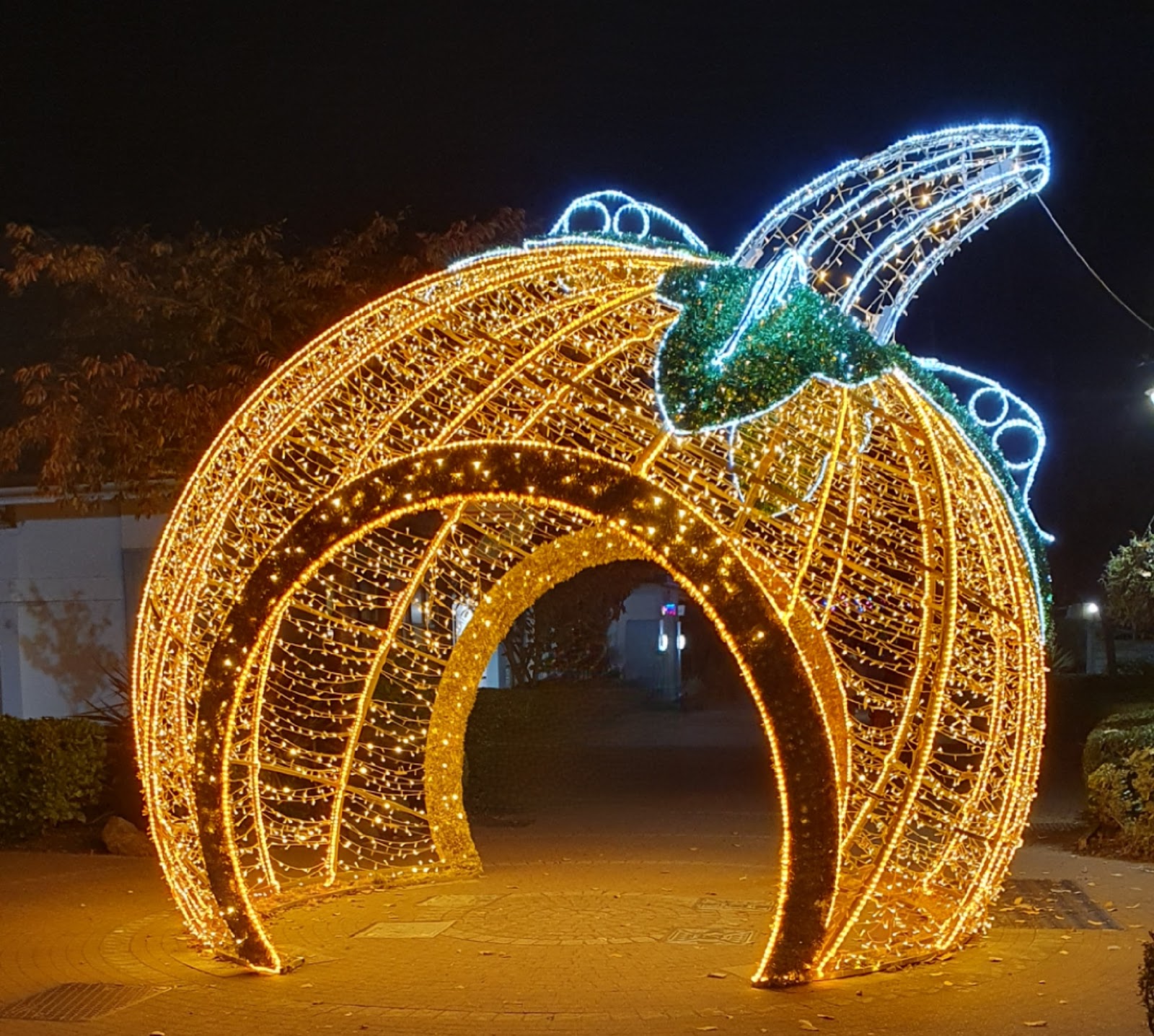
Self-catering caravan village at Butlins with full access to the resort's pools, shows and live entertainment.
Own this business? Claim it free
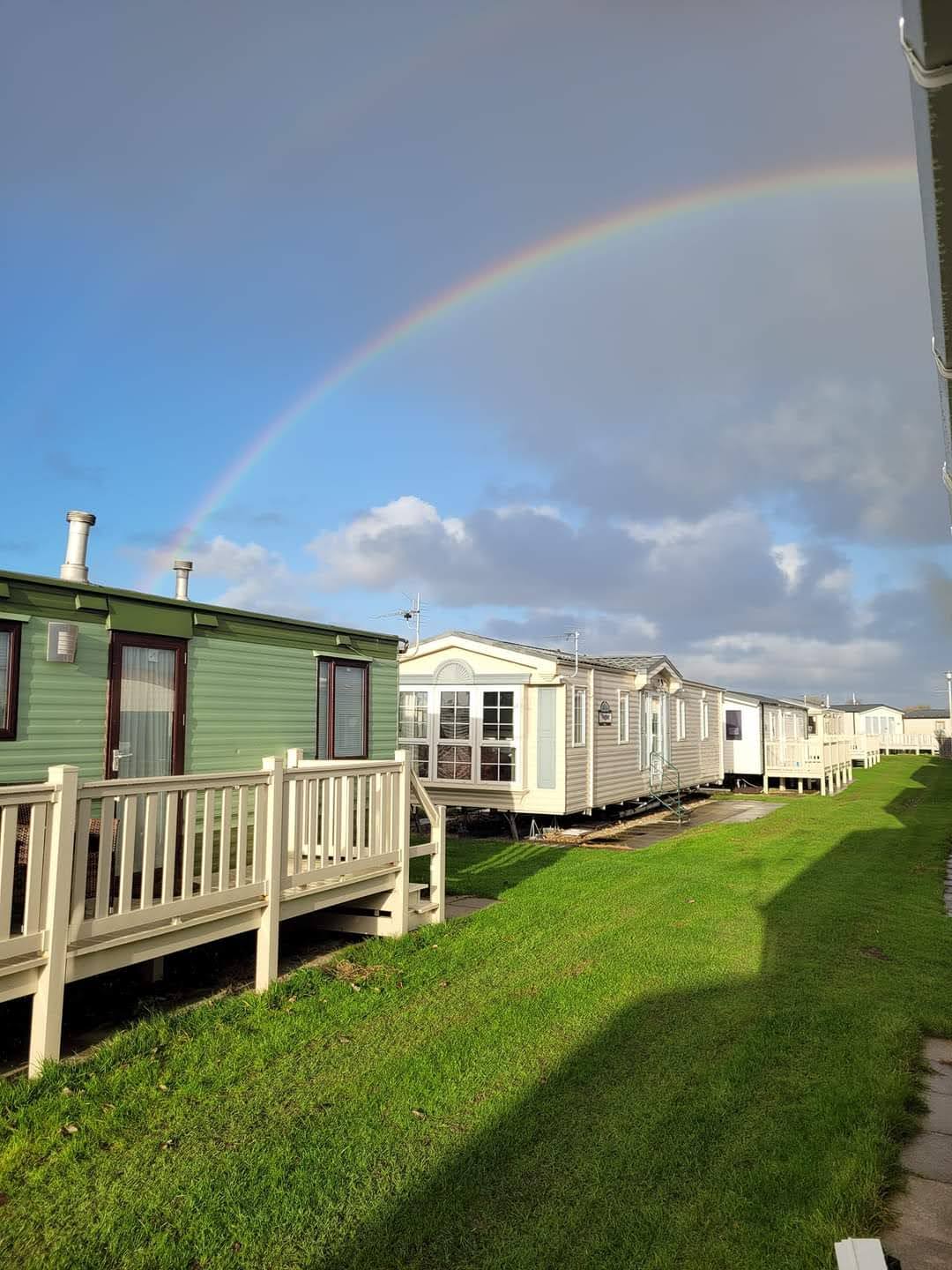
This listing was created from public information and has not yet supplied a description. Confirm opening hours, services and accessibility directly with the business.
Own this business? Claim it free
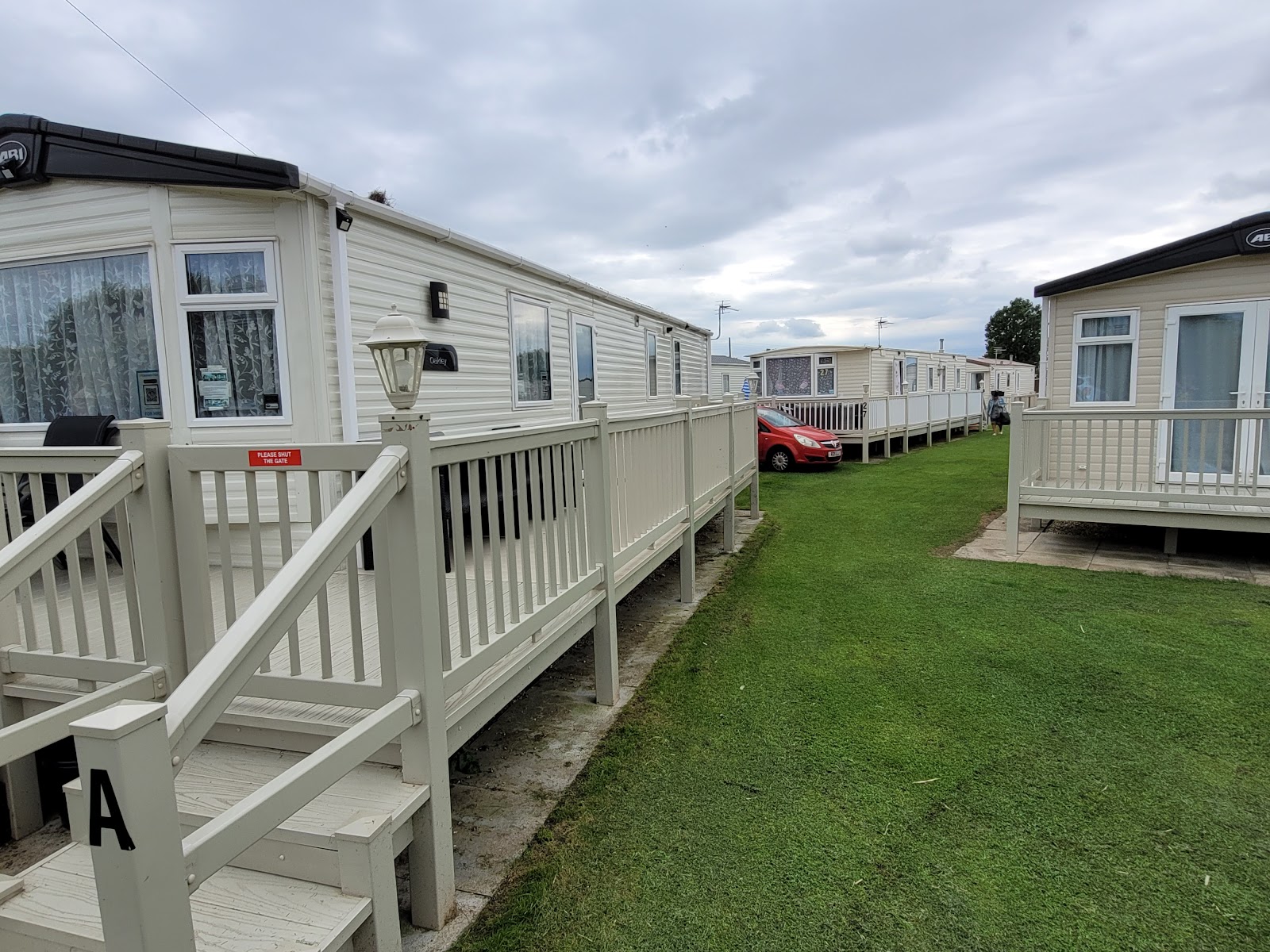
Ingoldale Holiday Park is a caravan park in Ingoldmells. Ideal for visitors looking for a coastal stay or holiday break. Find contact details and directions…
Own this business? Claim it free
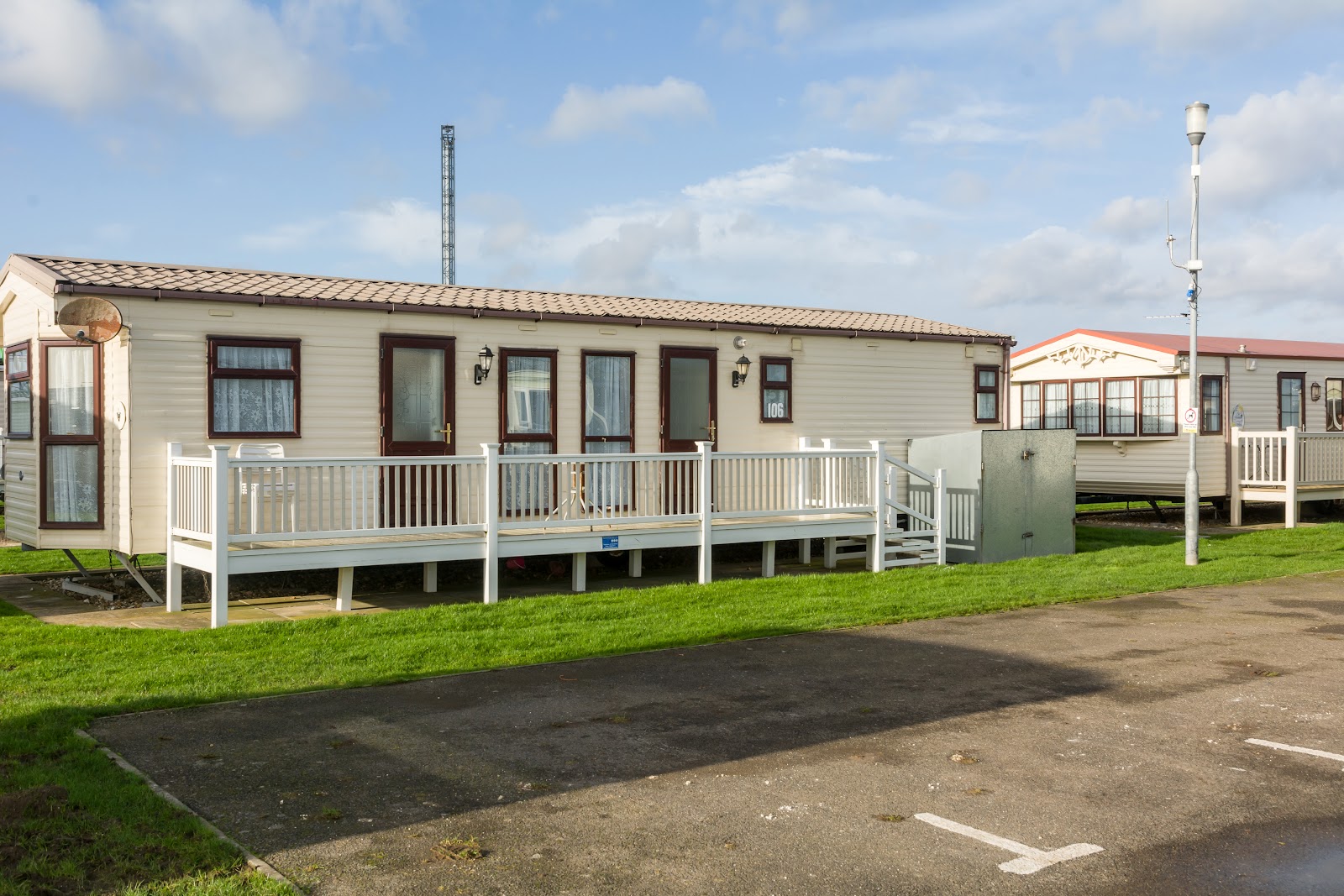
Quiet family park moments from Ingoldmells beach. Tags: Family, Quiet, Beach Access. Touring and static pitches with sea breeze and dunes. — caravan park, holiday park, caravan site.
Own this business? Claim it free
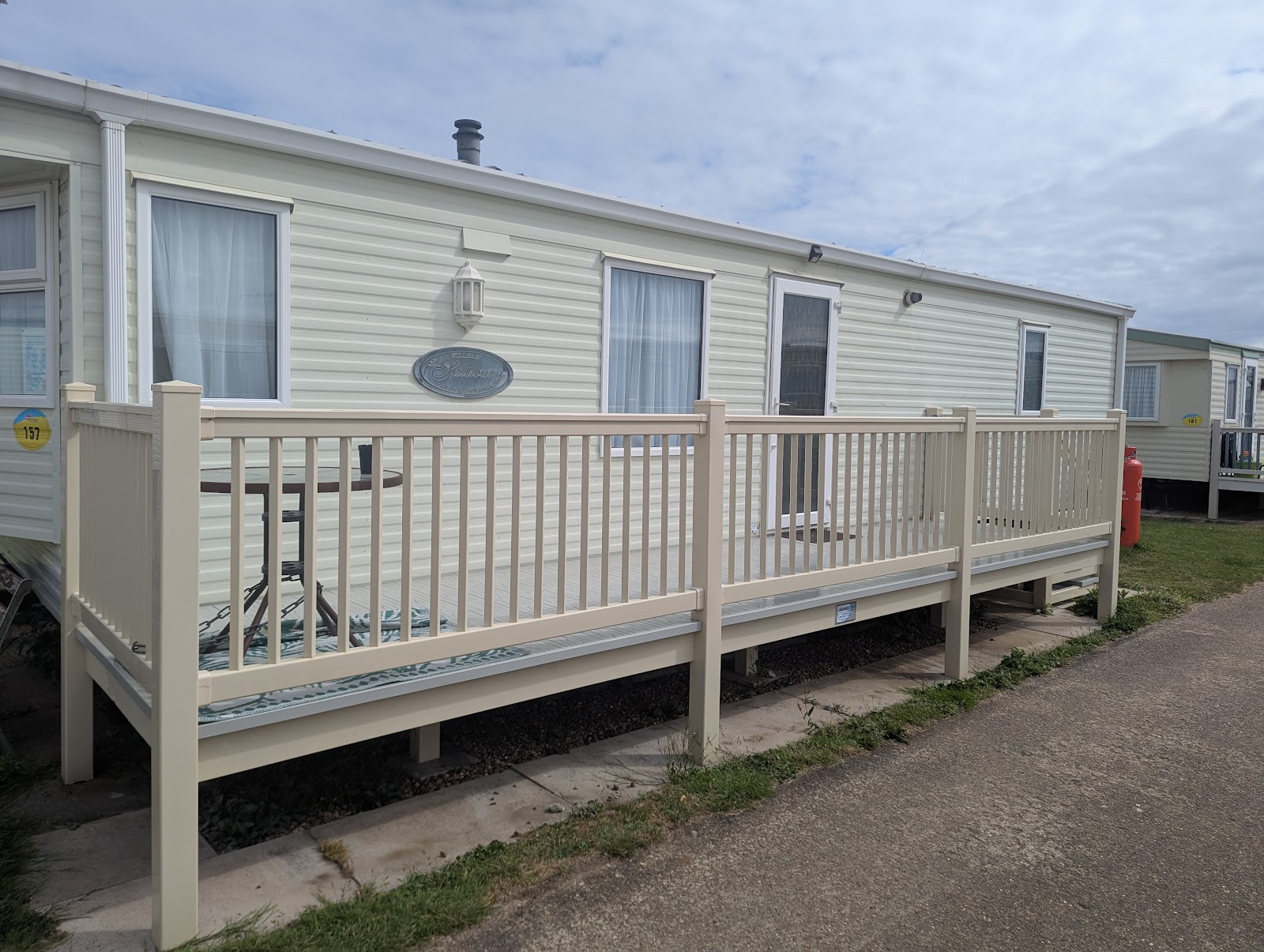
Seaside caravan park.
Own this business? Claim it free
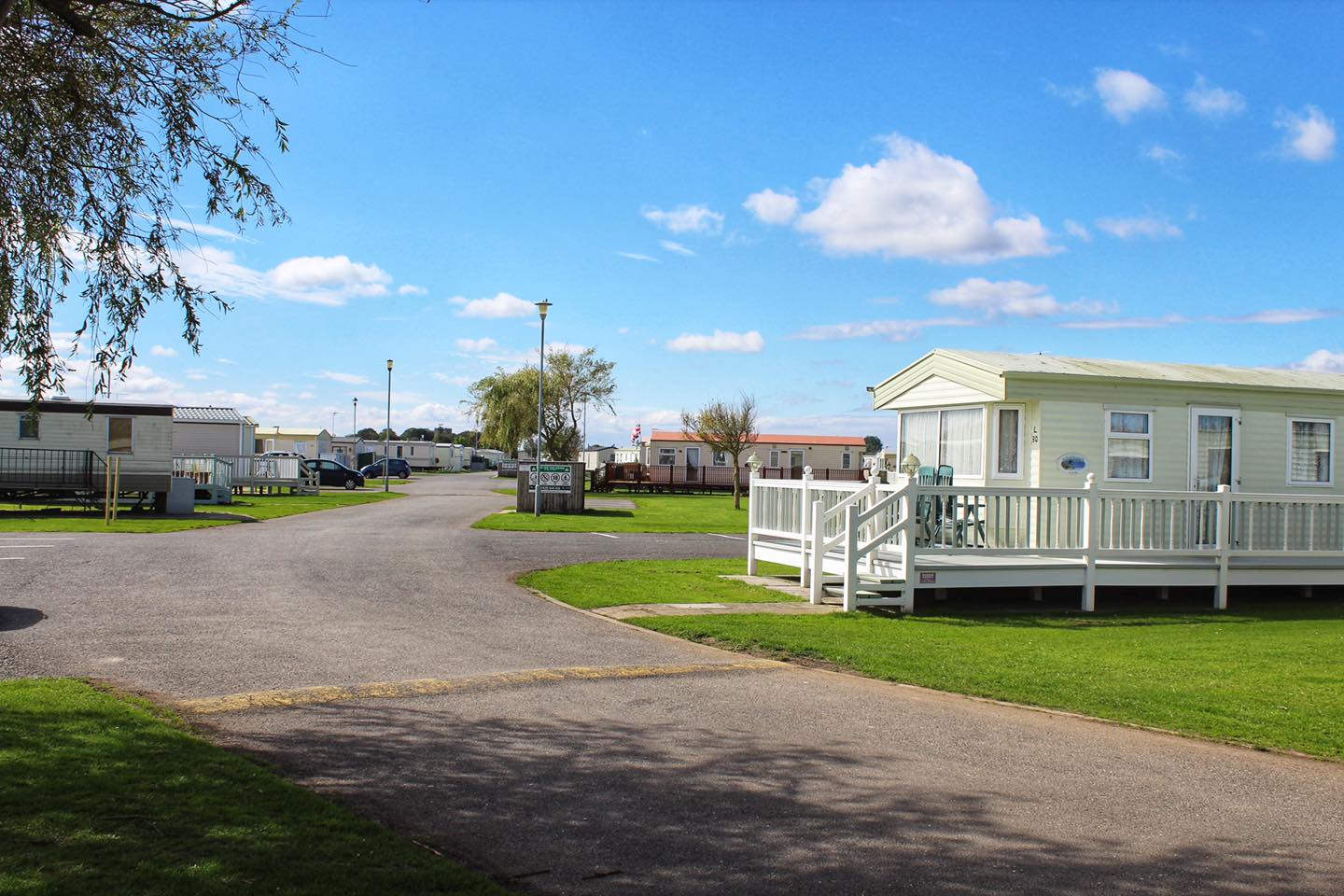
Modern holiday park in Ingoldmells with indoor pool, family club and a short walk to the beach. Caravan park.
Own this business? Claim it free
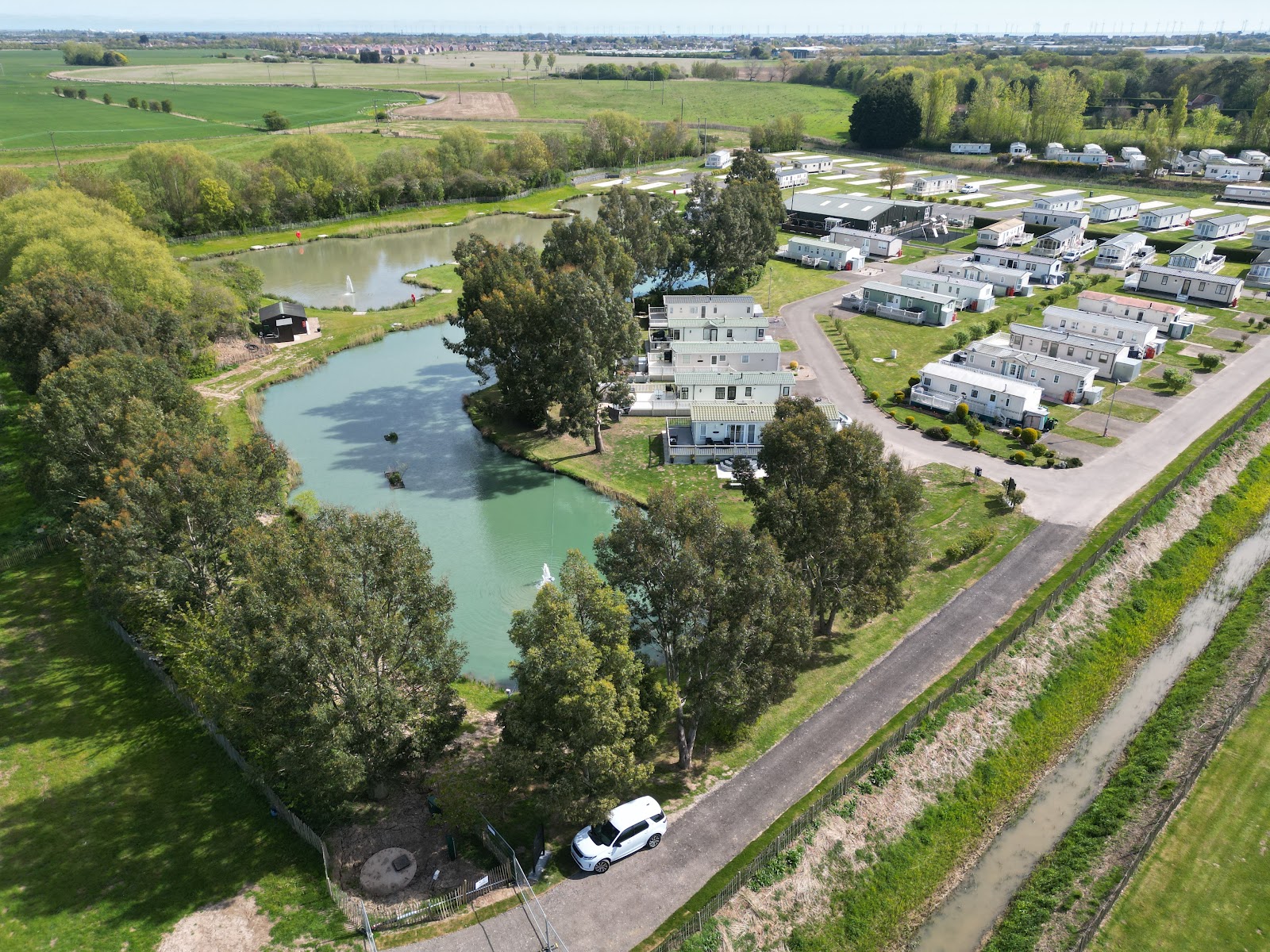
Traditional caravan park pub hosting live shows, owners' events, and packed calendars of entertainment throughout the year.
Own this business? Claim it free
Ingoldmells
Coarse fishing lakes, day-ticket ponds and outdoor spots near Ingoldmells — great for an active day out.
%22%2F%3E%0A%20%20%3Crect%20width%3D%221200%22%20height%3D%22900%22%20fill%3D%22url(%23glow)%22%2F%3E%0A%20%20%3Ccircle%20cx%3D%221032%22%20cy%3D%22162%22%20r%3D%22180%22%20fill%3D%22%230EA5E9%22%20opacity%3D%220.14%22%2F%3E%0A%20%20%3Ccircle%20cx%3D%22144%22%20cy%3D%22774%22%20r%3D%22220%22%20fill%3D%22%230EA5E9%22%20opacity%3D%220.12%22%2F%3E%0A%20%20%3Cg%20transform%3D%22translate(440%20198)%20scale(5)%22%3E%0A%20%20%20%20%3Ccircle%20cx%3D%2232%22%20cy%3D%2232%22%20r%3D%2234%22%20fill%3D%22%23ffffff%22%20opacity%3D%220.18%22%2F%3E%0A%20%20%20%20%3Cpath%20d%3D%22M8%2032c12-10%2026-10%2040%200M52%2028v8M48%2032h8M16%2036c2%204%206%206%2010%206m22-10c0%208-6%2014-14%2014%22%20fill%3D%22none%22%20stroke%3D%22%23064E3B%22%20stroke-width%3D%223%22%20stroke-linecap%3D%22round%22%20stroke-linejoin%3D%22round%22%20opacity%3D%220.85%22%2F%3E%0A%20%20%3C%2Fg%3E%0A%20%20%3Ctext%20x%3D%2250%25%22%20y%3D%2278%25%22%20text-anchor%3D%22middle%22%20dominant-baseline%3D%22middle%22%0A%20%20%20%20%20%20%20%20font-family%3D%22-apple-system%2CBlinkMacSystemFont%2C'Segoe%20UI'%2CRoboto%2Csans-serif%22%0A%20%20%20%20%20%20%20%20font-weight%3D%22800%22%20font-size%3D%2262%22%20fill%3D%22%23064E3B%22%3ECountry%20Meadows%20Holiday%20Park%E2%80%A6%3C%2Ftext%3E%0A%20%20%3Ctext%20x%3D%2250%25%22%20y%3D%2286%25%22%20text-anchor%3D%22middle%22%20dominant-baseline%3D%22middle%22%0A%20%20%20%20%20%20%20%20font-family%3D%22-apple-system%2CBlinkMacSystemFont%2C'Segoe%20UI'%2CRoboto%2Csans-serif%22%0A%20%20%20%20%20%20%20%20font-weight%3D%22700%22%20font-size%3D%2226%22%20fill%3D%22%230F766E%22%20letter-spacing%3D%226%22%3EFISHING%20%C2%B7%20TRIPTOCK%3C%2Ftext%3E%0A%3C%2Fsvg%3E)
Well-stocked fishing lake at Country Meadows Holiday Park in Ingoldmells, available for park guests to use for a small fee.
Own this business? Claim it free
Ingoldmells
Events, attractions, arcades and family fun in Ingoldmells — see what's happening this week.
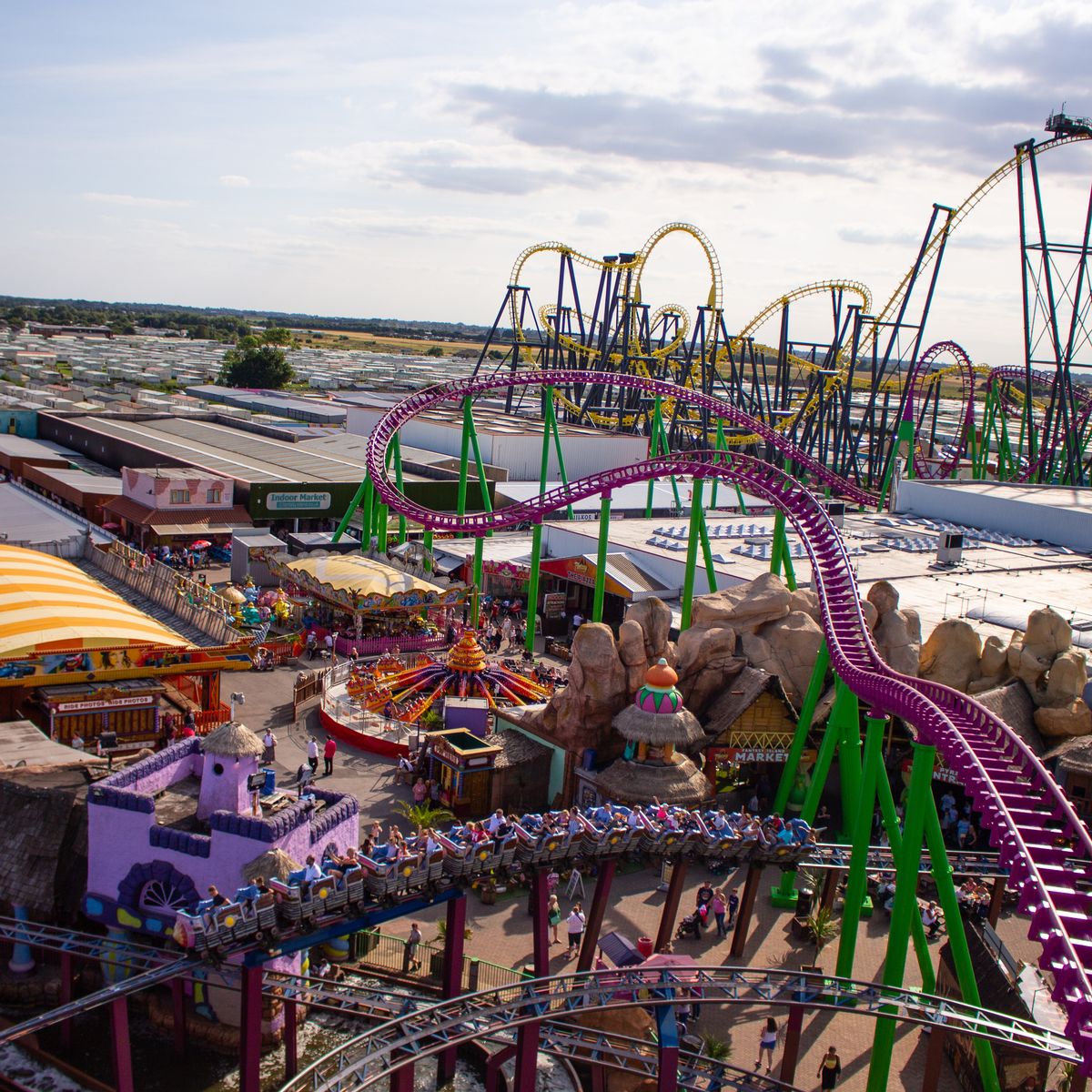
Free-entry theme park and resort featuring the Odyssey rollercoaster, family rides, indoor market, arcades, live entertainment at Captain Jack's Showbar, fireworks and a huge events calendar. Pay-per-ride or wristbands.
Own this business? Claim it free
Plan your trip
Quick-read guides to help you plan your trip.
More local guides
Useful TripTock guides for Ingoldmells, connected from the main town page.
Local history
Ingoldmells looks, on first glance, like a 1970s caravan town that grew up around Fantasy Island. The reality is much older — and much more important to British holiday history. The first ever Butlin's camp opened here in 1936, and the Domesday Book recorded a settlement on roughly the same site nearly a thousand years before that.
Ingoldmells is recorded in the Domesday Book of 1086 as "Guldelsmere" — a small Anglo-Scandinavian settlement on the saltmarsh edge of what was then a much wider Lincolnshire fenland coast. The name itself is Old Norse: "Ingjald's sand-banks," reflecting the wave of Viking-era settlement across this part of the East Midlands. For centuries the village made its living from salt-making (a hugely profitable industry in medieval England), fishing, and small-scale sheep grazing on the marshes behind the dunes.
St Peter and St Paul's Church, parts of which date to the twelfth century, is the only substantial pre-modern building still standing in the village. The medieval coastline ran considerably further east than today's beach, and erosion combined with managed reclamation gradually pushed the village inland. By the eighteenth century, Ingoldmells was an unremarkable agricultural parish of fewer than 200 people.
Skegness's railway-era boom from the 1870s onward had a quieter knock-on effect at Ingoldmells. As Skegness filled up in summer, day-trippers and longer-stay visitors began walking and cycling north along the dunes to find quieter beaches. The first basic camping fields opened around the village in the 1890s, catering to working-class families from the East Midlands who couldn't afford the new Skegness boarding houses.
Through the early twentieth century the village remained tiny — but the framework was there: cheap land, a sandy beach, easy reach from Skegness station, and a tradition of low-cost holidaying. It was exactly the combination Billy Butlin was looking for.
On Easter Saturday, 11 April 1936, Billy Butlin opened the first ever Butlin's holiday camp on a 200-acre site at Ingoldmells. The camp was an instant phenomenon — the all-in-one model of accommodation, meals, entertainment, sport and childcare on a single fenced site was completely new in Britain, and it sold out for years in advance. The Ingoldmells site is the founding location of the entire Butlin's brand and is one of three camps the company still operates today.
Butlin's success transformed Ingoldmells. Independent caravan parks sprang up along Roman Bank and Sea Lane through the 1950s and 1960s; the famous Ingoldmells outdoor market opened in the early 1970s and became one of the largest of its kind in Europe; and Fantasy Island, opening in 1995, gave the village a free-entry theme park to rival the seafront attractions of Skegness. By the late twentieth century the village's population had multiplied many times over, and it had effectively merged with Skegness into a continuous resort strip.
Today Ingoldmells is, per acre, one of the most caravan-dense places in the UK. The permanent population is small — around 1,500 — but the seasonal population swells into the tens of thousands. Fantasy Island and the Ingoldmells Market are still the two biggest single attractions; the bar and entertainment scene around the Beachcomber, the Warren and the Country Park venues runs hard from Easter to October; and the original Butlin's site continues to evolve with regular major investment.
The challenge facing Ingoldmells is the same one facing the whole Lincolnshire Coast: shifting it from a deeply seasonal economy to a year-round one. Off-season the village is quiet to the point of feeling abandoned. But the foundations laid in 1936 — affordable, accessible, family-friendly seaside holidays — are exactly the foundations the modern industry is building on.
1936: Easter weekend. Billy Butlin opens the first ever holiday camp on a 200-acre site behind the dunes.
2026: One of the densest concentrations of caravan parks in Europe, with Fantasy Island, the market and the original Butlin's still trading on the same sites.
Just along the coast from Ingoldmells — easy to combine in one trip.
Browse more in Ingoldmells, including food, pubs, caravan parks, fishing and what's on, then use the area links below to explore the wider Lincolnshire coast.