Skegness Pier
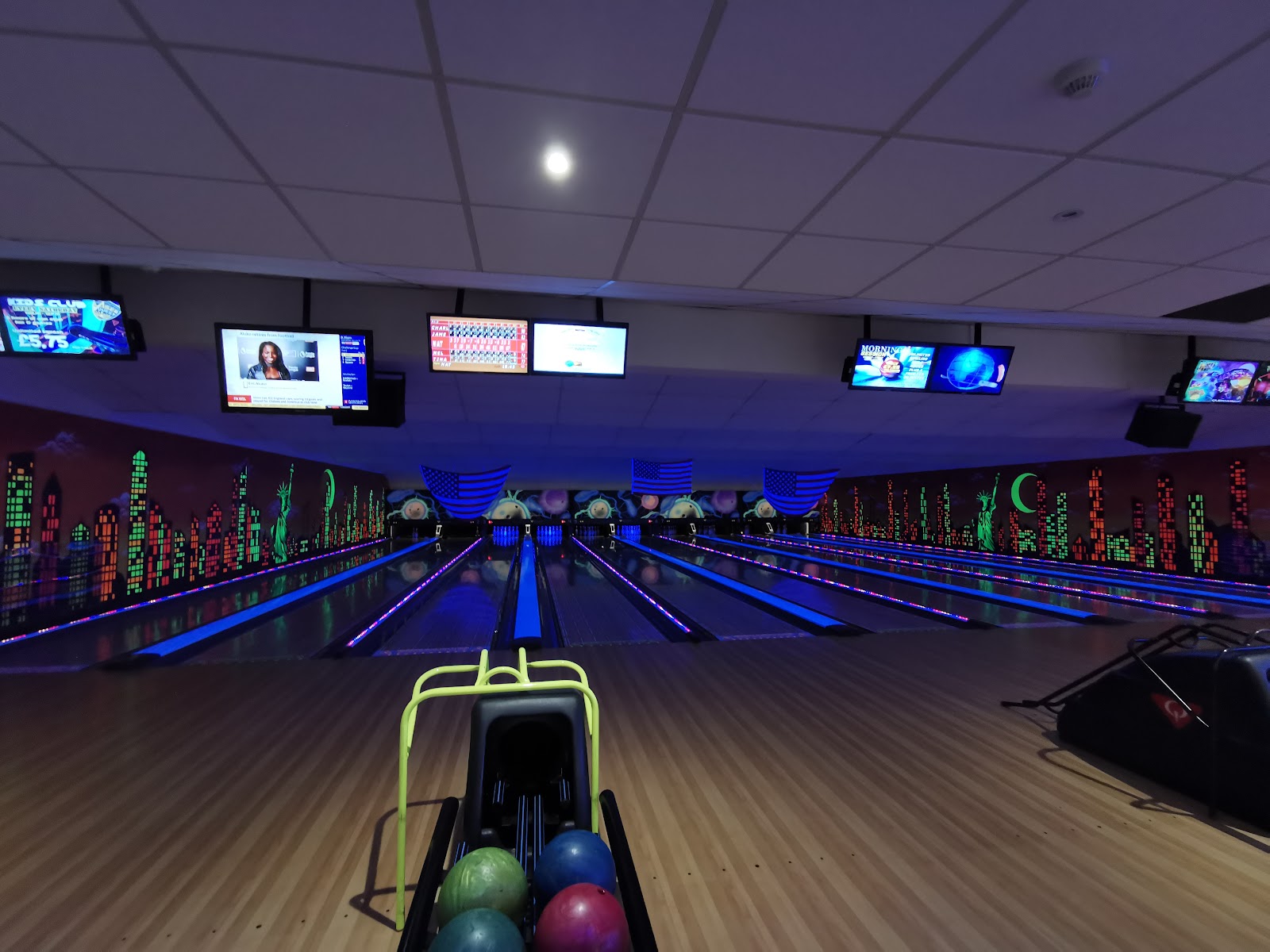
The classic Victorian pleasure pier on Grand Parade — arcades, bowling and sea views.
SkegnessLandmark
View listing
Find food, pubs, caravan parks, fishing and things to do in Skegness — all in one place.
Skegness is the beating heart of the Lincolnshire Coast — a classic British seaside town with miles of golden sand, a working pleasure pier, and a tourism scene that punches well above its weight. From the moment you cross the railway bridge at the station, you're plunged into a world of fish-and-chip shops, family arcades, fairground rides at Fantasy Island and Botton's Pleasure Beach, and the kind of unhurried promenade strolls that have defined British holidays for over a century.
Local knowledge
Quick on-the-ground tips from people who know the area.
Local guide
What visitors actually need to know about Skegness.
Skegness is the beating heart of the Lincolnshire Coast — a classic British seaside town with miles of golden sand, a working pleasure pier, and a tourism scene that punches well above its weight. From the moment you cross the railway bridge at the station, you're plunged into a world of fish-and-chip shops, family arcades, fairground rides at Fantasy Island and Botton's Pleasure Beach, and the kind of unhurried promenade strolls that have defined British holidays for over a century.
Landmarks
The headline attractions and landmarks every visitor should know about — tap for opening times, contact details and what's on.
The classic Victorian pleasure pier on Grand Parade — arcades, bowling and sea views.
Family-favourite seafront aquarium and seal rescue centre in the heart of Skegness.
Skegness's main venue for tribute shows, comedy and summer-season acts.
A quiet slice of Lincolnshire farming history, set just behind the resort.
Town-centre Wetherspoon-style local named after the iconic Skegness mascot.
Already listed? Claim it free. Not listed? Add it free.
Free • Add or claim your listing
Keep exploring
More of this town, plus places just along the coast.
Find karaoke, bingo, live music and events happening right now.
📍 Shown to people looking for things to do TONIGHT on the Lincolnshire Coast
Showing tonight's events across the coast — see all what's on in Skegness.
Skegness
Fish & chips, Indian, Chinese, kebabs and family takeaways across Skegness — see menus, opening hours and call direct.
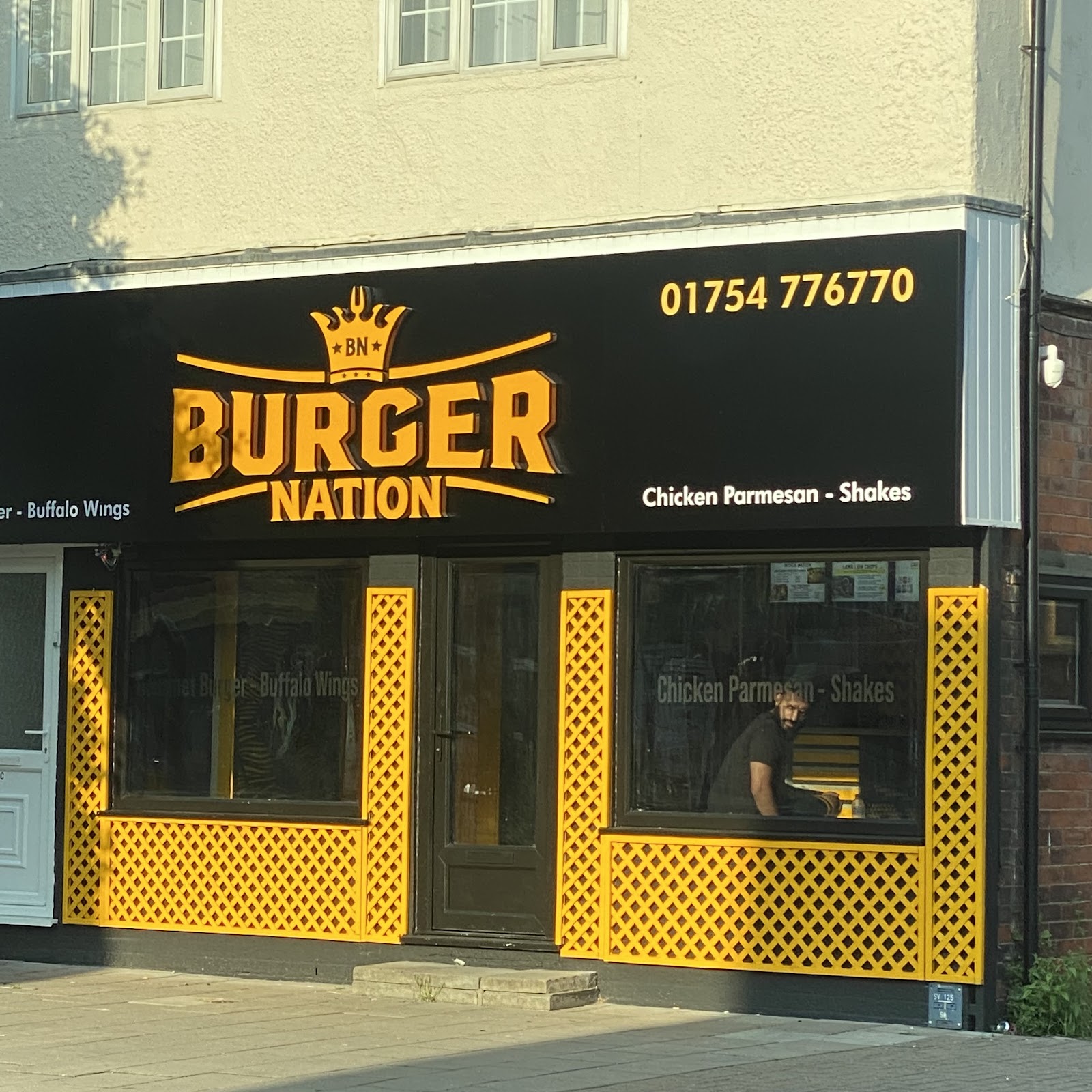
Independent Skegness burger joint stacking proper smashed patties and loaded fries.
Own this business? Claim it free
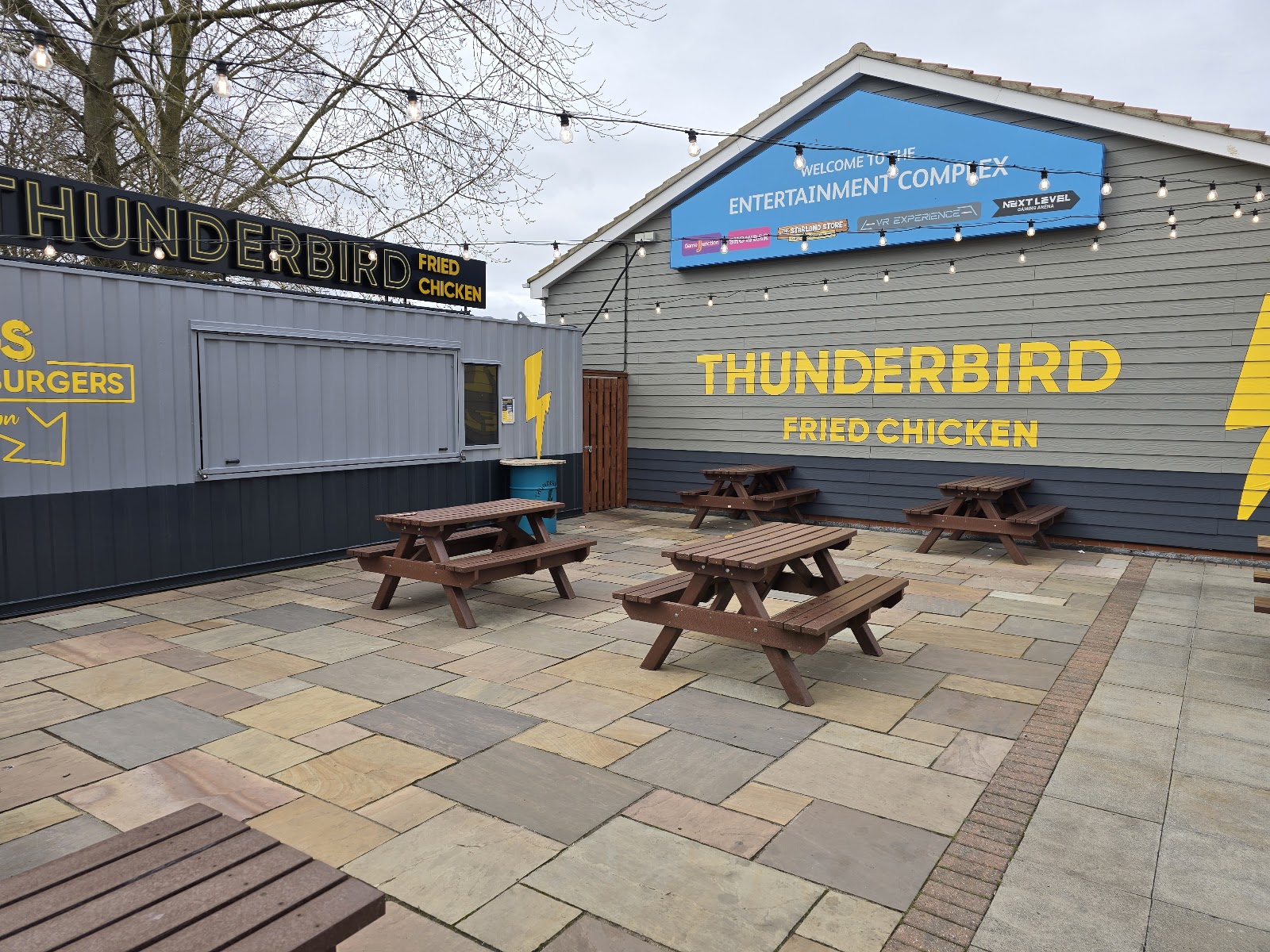
This listing was created from public information and has not yet supplied a description. Confirm opening hours, services and accessibility directly with the business.
Own this business? Claim it free
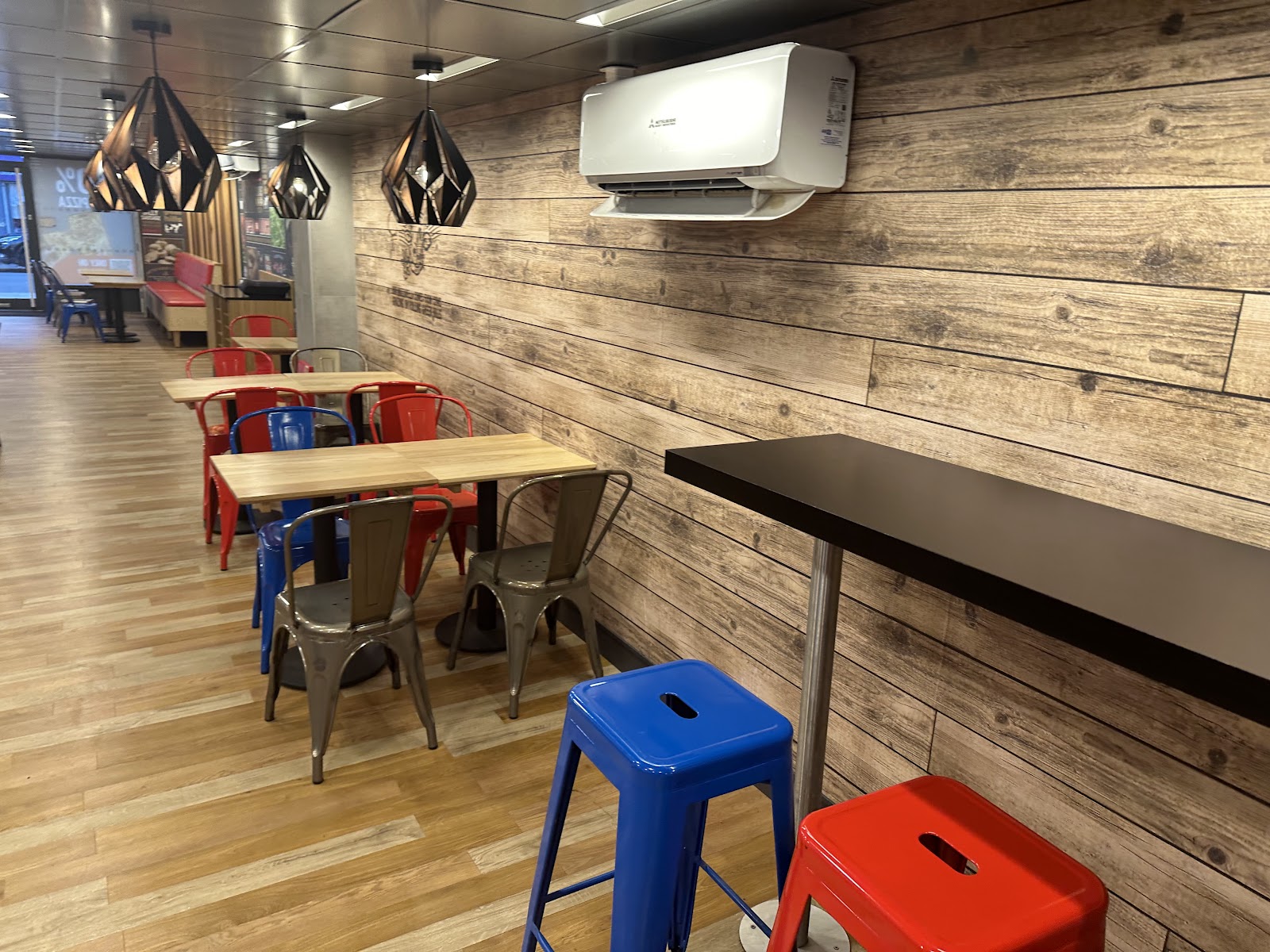
The familiar Domino's — fast delivery across Skegness and a quick collection deal in-store.
Own this business? Claim it free
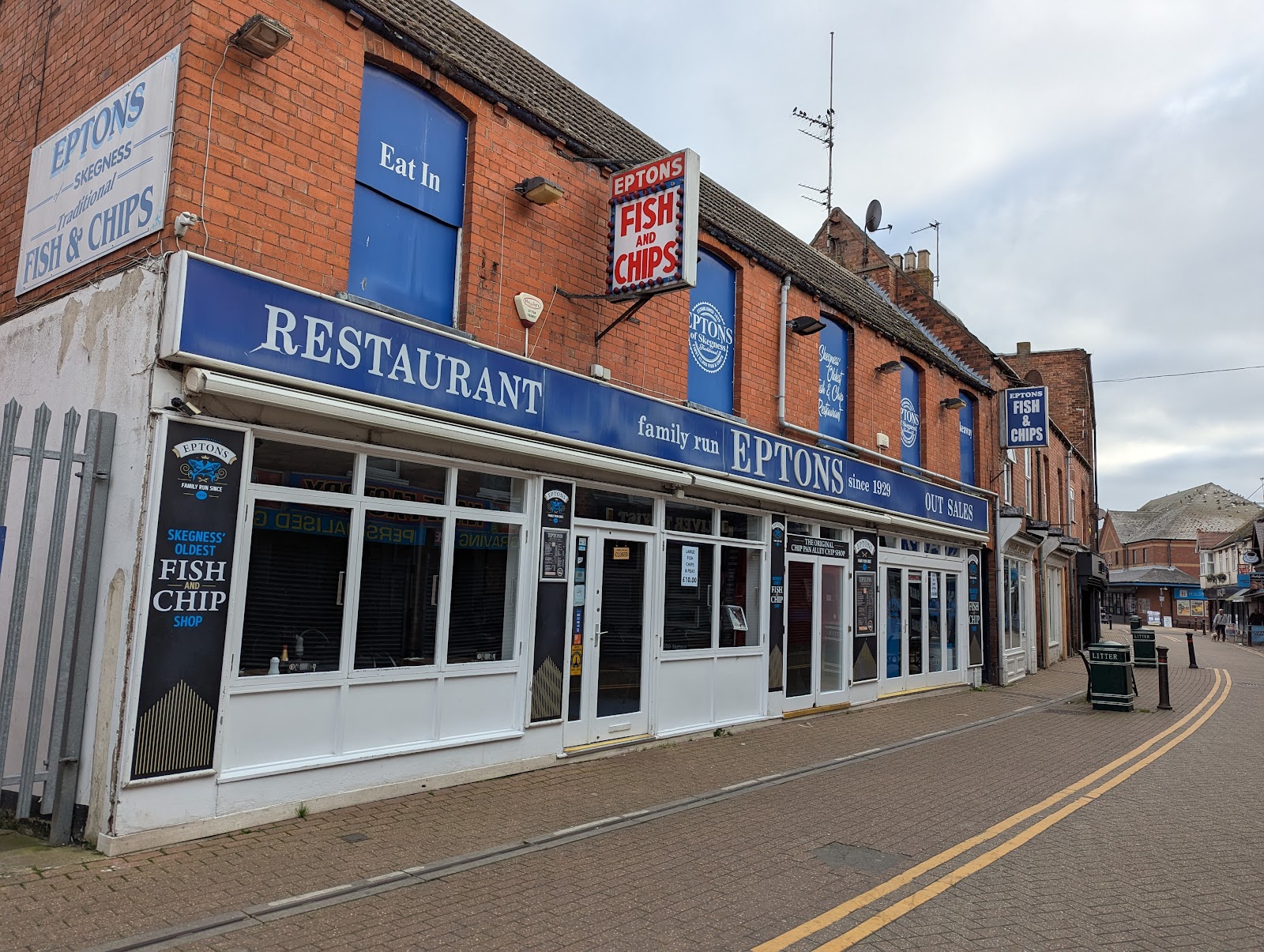
Old-school Skegness fish & chip shop with a loyal local crowd and proper hand-cut chips.
Own this business? Claim it free
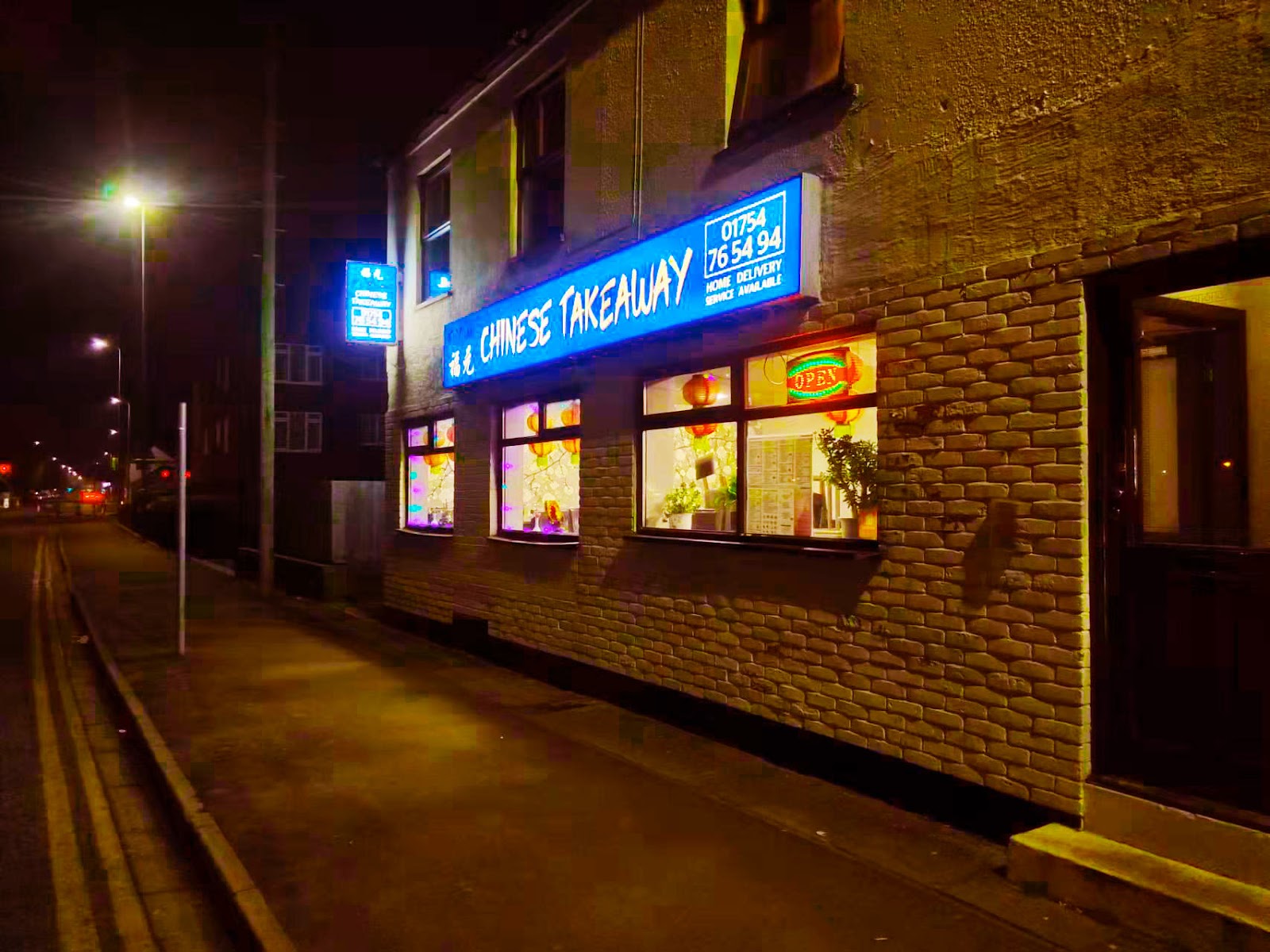
Honest, unfussy Chinese takeaway with crispy duck pancakes that locals keep coming back for.
Own this business? Claim it free
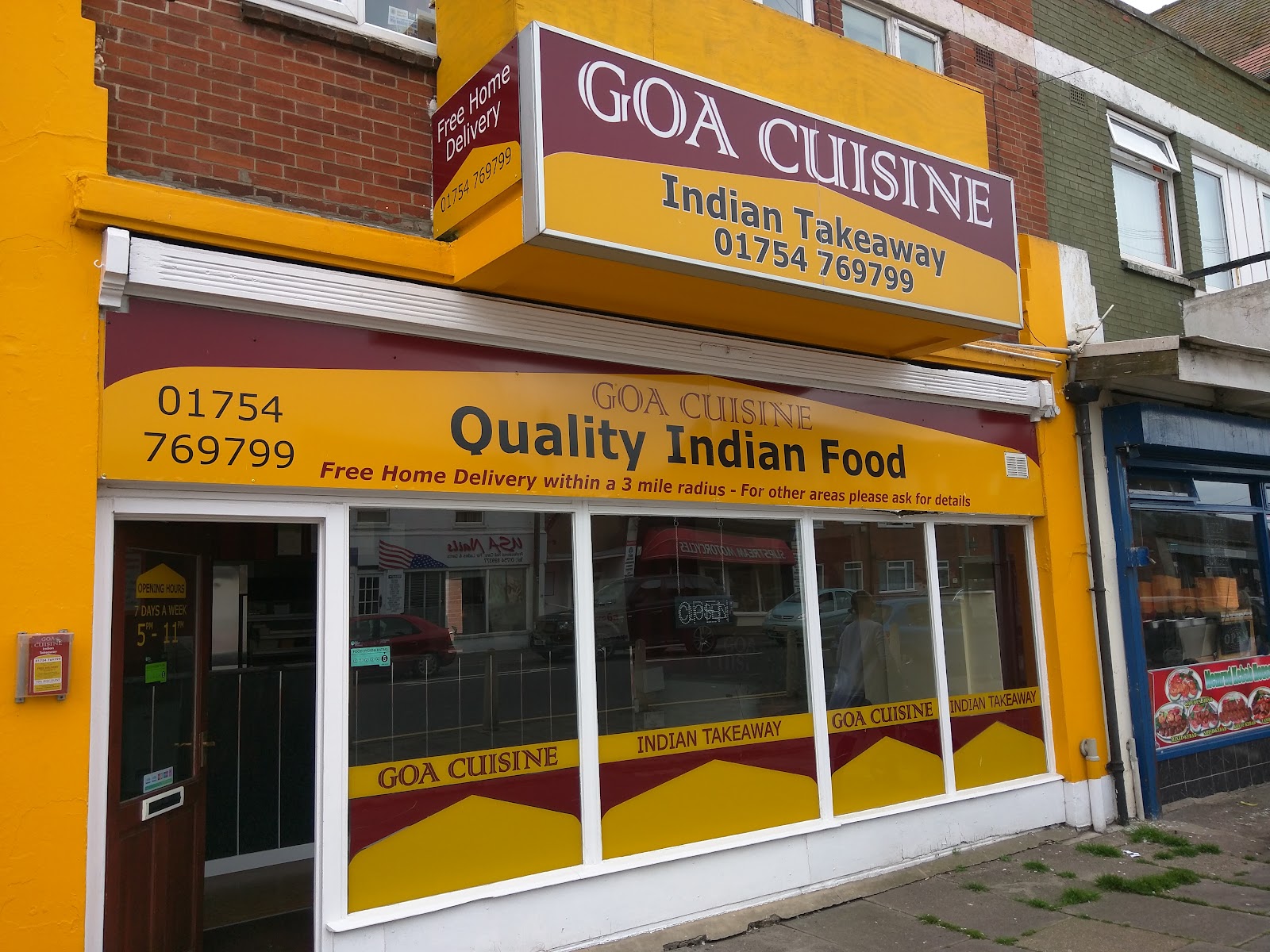
Skegness institution for Goan and North Indian curries — proper spice and warm welcomes.
Own this business? Claim it free
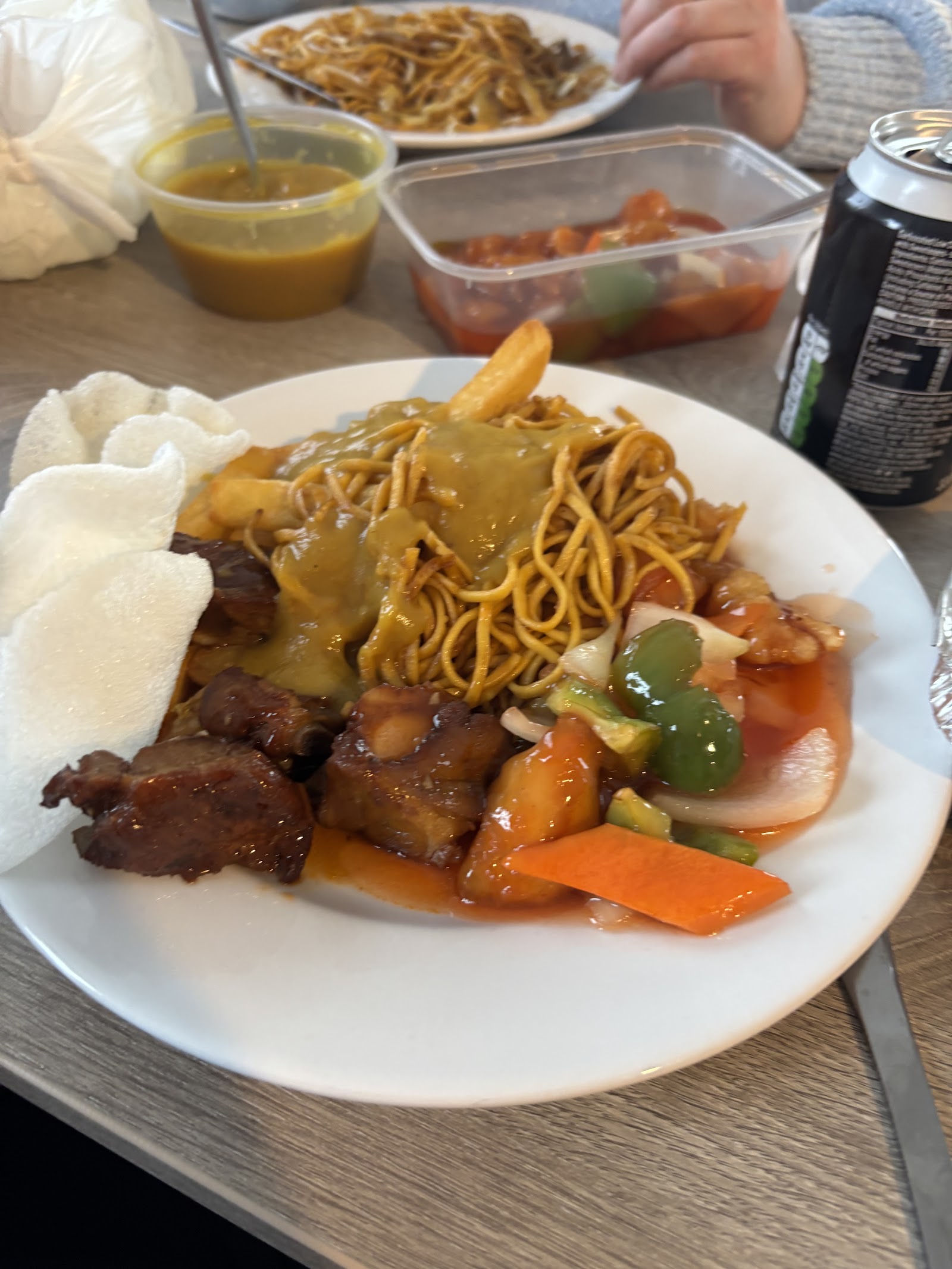
Long-standing Cantonese takeaway in central Skegness — fast, hot and reliably good.
Own this business? Claim it free
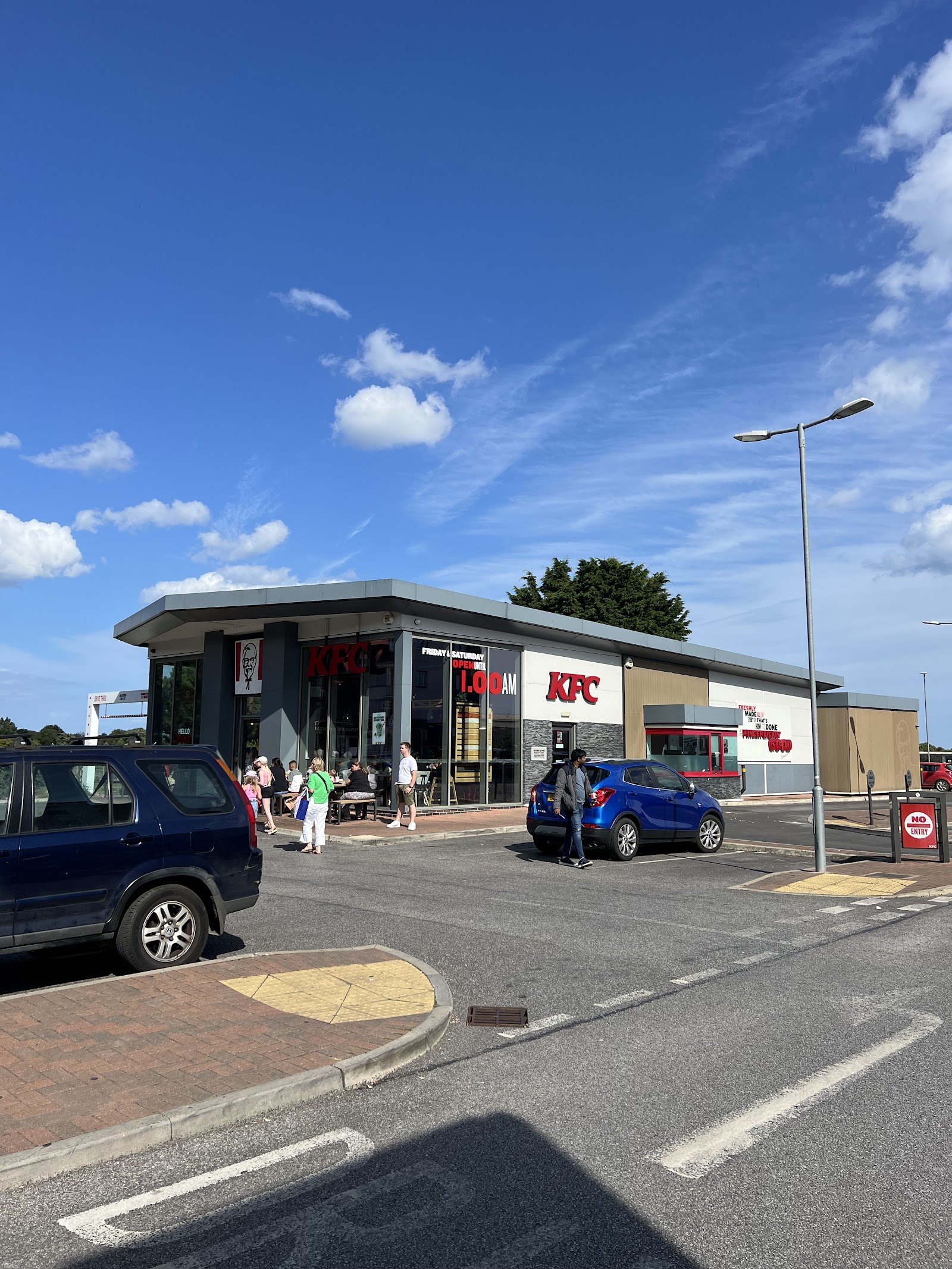
Skegness KFC with the full Colonel menu, drive-thru and family bargain buckets.
Own this business? Claim it free
Skegness
Traditional pubs, sports bars and live music venues in Skegness — find what's on tonight and where to drink.

Cookhouse and Pub The Steamboat is a hospitality venue located in the coastal town of Skegness on the Lincolnshire coast. It operates as a pub and bar within this seaside resort. The establishment is situated near the seafront area of the town, contributing to the local nightlife and leisure infrastructure of the district. Its location places it within reach of the regional coastline and the various amenities found in this part of Lincolnshire. The venue functions as part of the established food and drink sector in Skegness, providing a space for visitors and residents in the seaside environment.
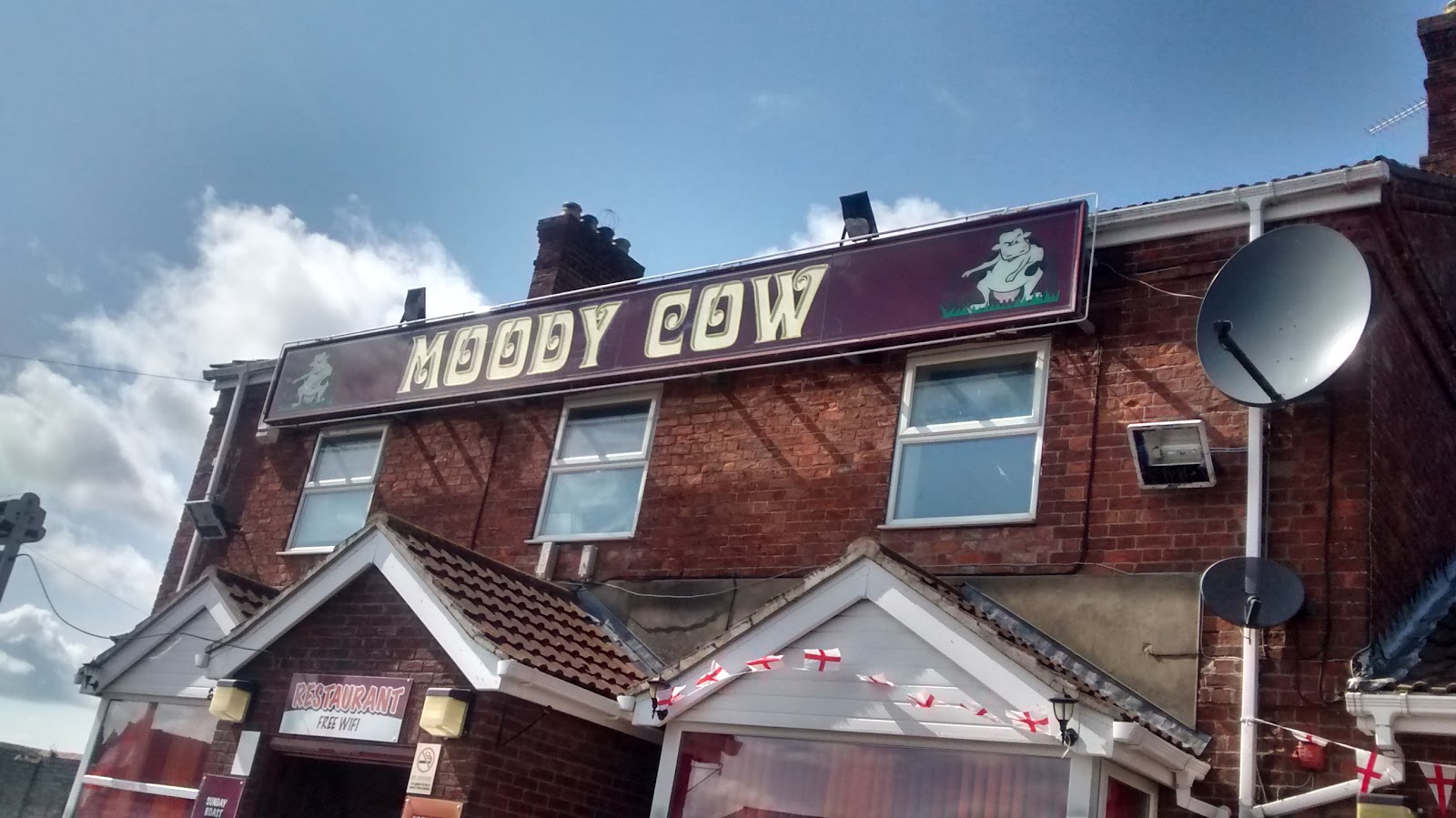
This listing was created from public information and has not yet supplied a description. Confirm opening hours, services and accessibility directly with the business.
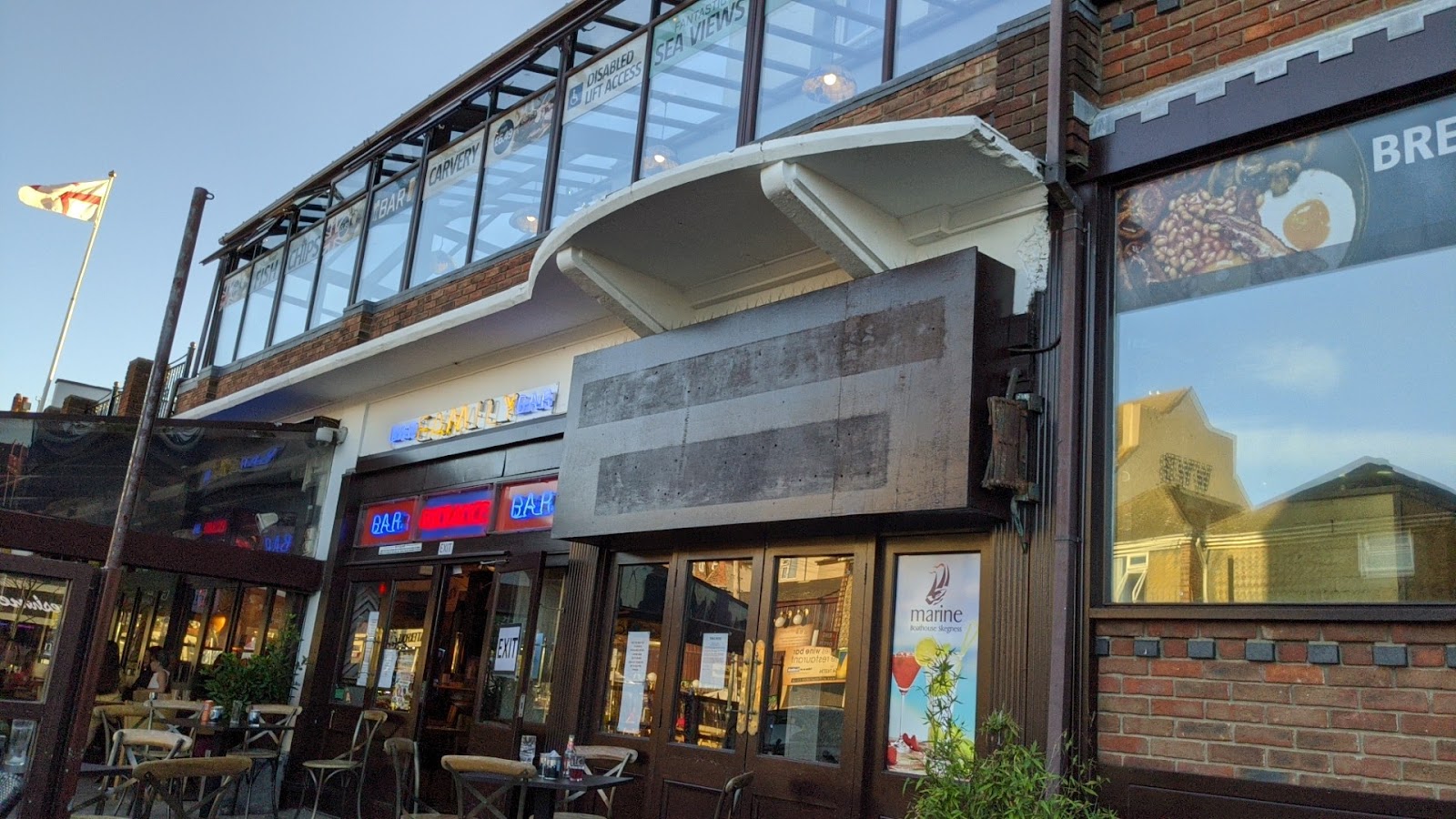
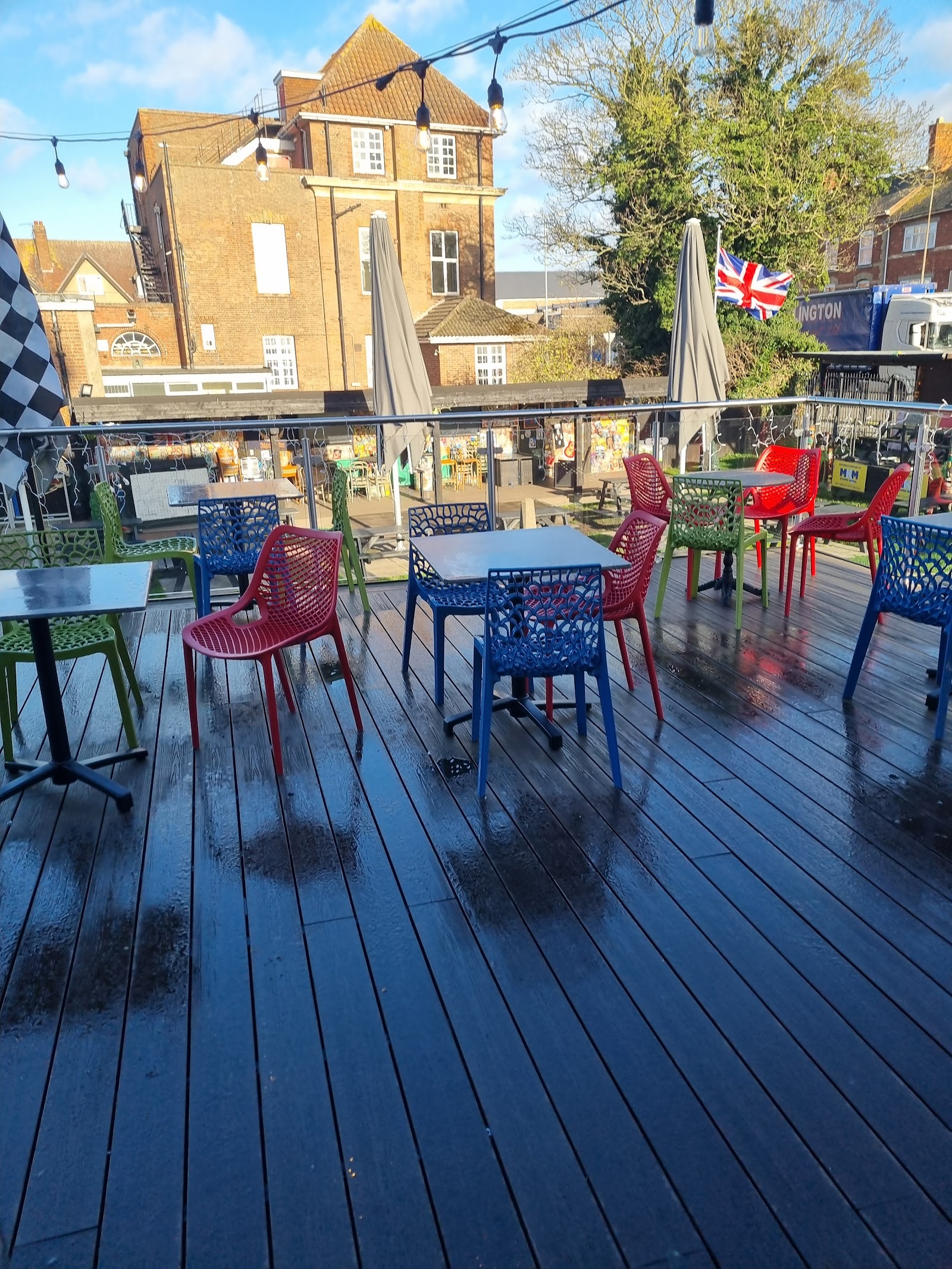
Marine Boat House Bar is a licensed venue located in the seaside town of Skegness on the Lincolnshire coast. It operates as a pub and bar within the central entertainment district of the resort. The premises are situated near the seafront and the main pier area, placing the establishment within the local nightlife and tourism circuit. The building features a multi-level layout including an outdoor elevated terrace area that overlooks the surrounding streets. It serves visitors to the coastal region and residents of the Skegness area throughout the year as part of the local hospitality sector.
Own this business? Claim it free
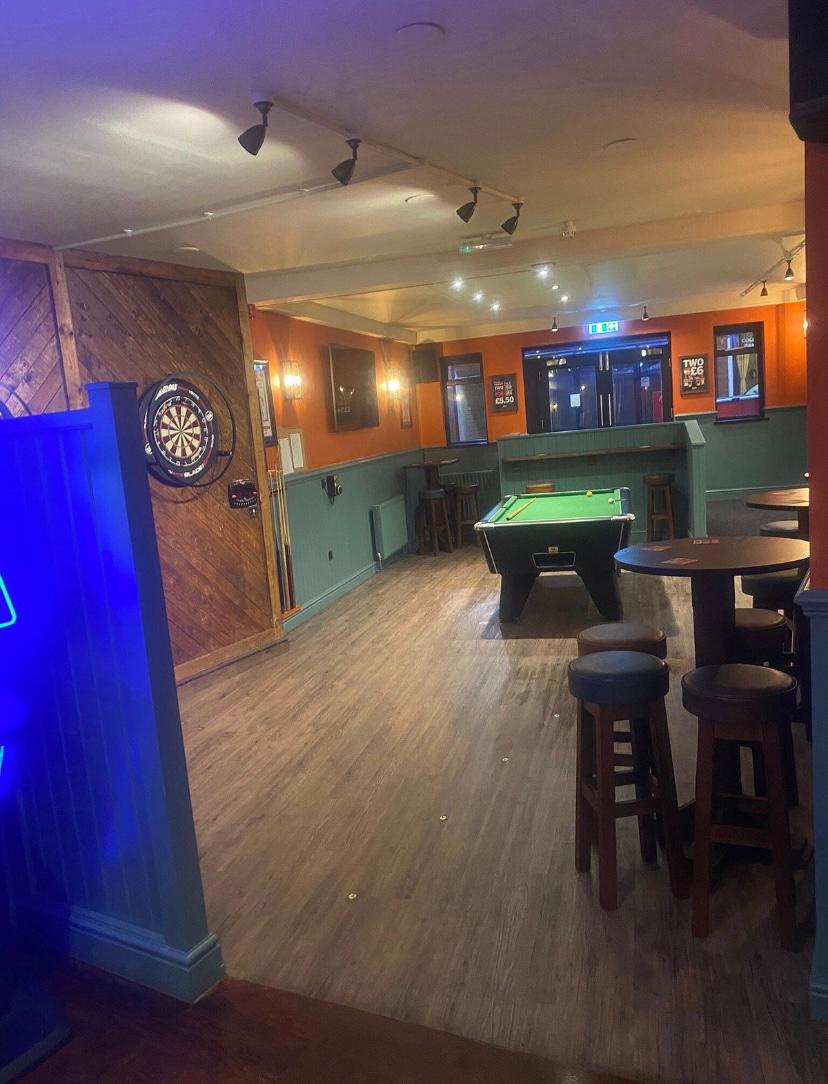
The Merry Mermaid is a licensed pub and bar venue situated in the coastal resort of Ingoldmells, located on the Lincolnshire coast. This establishment operates within the local seaside hospitality sector and forms part of the destination's nighttime infrastructure. The premises are positioned in proximity to the North Sea coastline and are surrounded by the town's seasonal tourism developments and leisure sites. As a public house, it provides a social space for visitors and residents within this seaside setting. The location serves as a point of interest for those navigating the central entertainment district of Ingoldmells.
Own this business? Claim it free
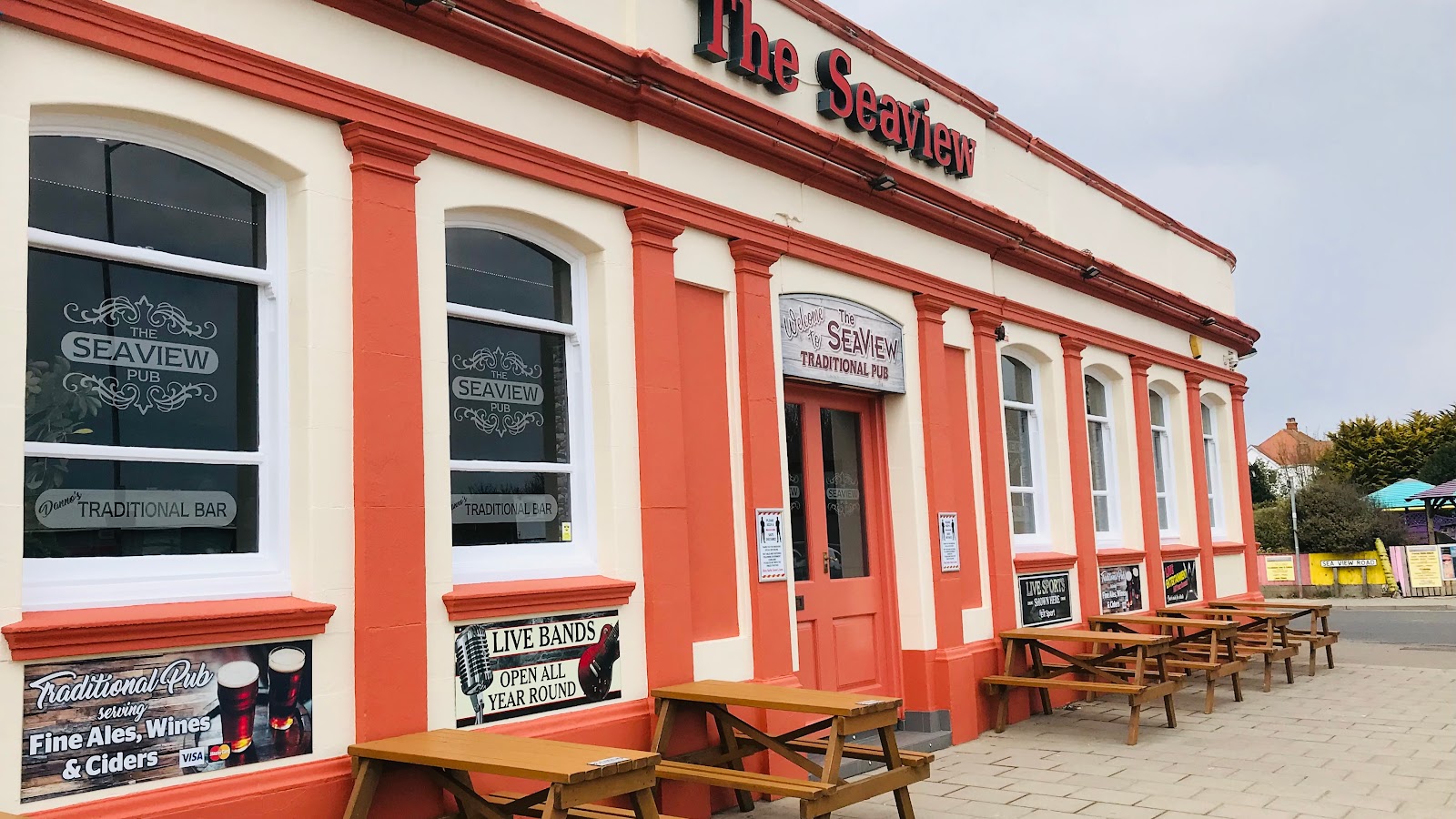
The Sea View Pub is a licensed premises situated in the coastal town of Skegness on the Lincolnshire coast. This pub venue is located within the main seaside resort area, positioned near the seafront and central promenade. It operates as part of the local hospitality and nightlife sector in this administrative district of East Lindsey. The establishment provides a location for visitors and residents within the context of the town's existing tourism infrastructure. Its position on the coast places it among various commercial properties that serve the regional coastal holiday industry and the town's established leisure circuit.
Own this business? Claim it free
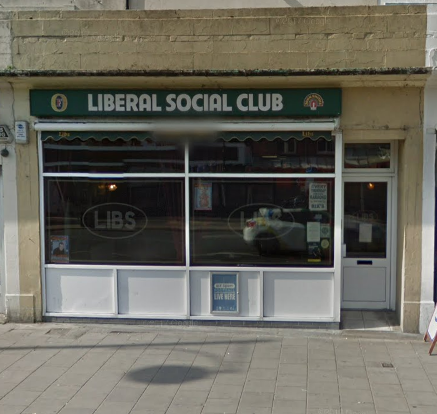
Members & guests social club with karaoke, bingo and regular live acts.
Own this business? Claim it free
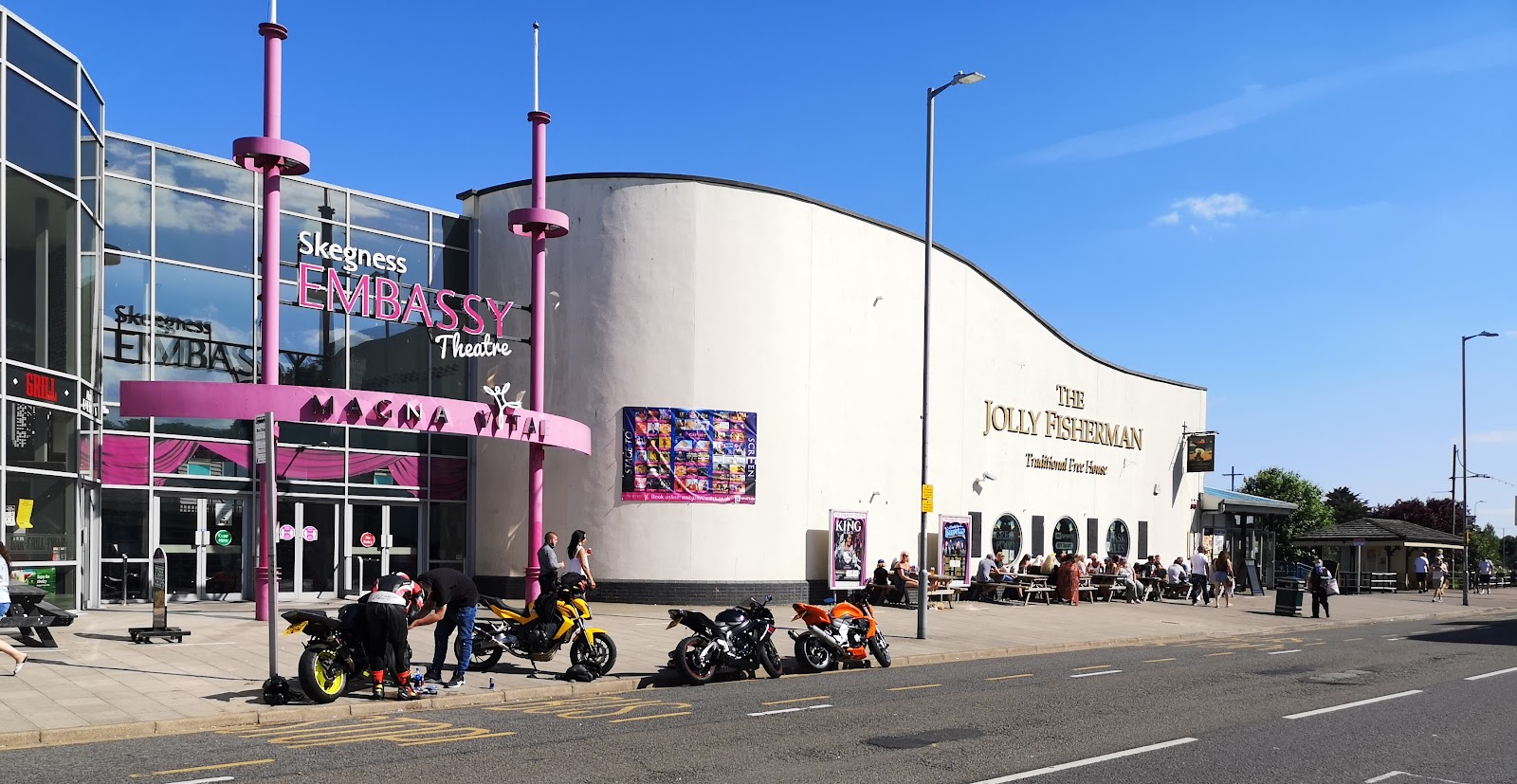
The Jolly Fisherman is a pub located in the seaside town of Skegness on the Lincolnshire coast. It occupies a position within the central town area, contributing to the local coastal hospitality sector. The establishment functions as a licensed venue for visitors and residents in this eastern England district. Its location places it near the seafront and common tourist routes within the town. The premises serve as part of the established nightlife and daytime social infrastructure of the resort. This venue operates as a standard bar facility typical of the regional hospitality industry in the county of Lincolnshire.
Own this business? Claim it free
The Lumley is a pub located in the seaside town of Skegness on the Lincolnshire coast. It is situated on Lumley Road, a central thoroughfare within the town. The venue operates as a public house and contributes to the local nightlife and social landscape of this coastal resort. It occupies a multi-storey brick building with a corner entrance and traditional exterior signage. Its position places it near the retail areas and the main promenade of Skegness. The establishment serves residents and visitors to the area, functioning as a standard drinking venue within the local hospitality sector.
Own this business? Claim it free
Skegness
Static caravans, touring pitches and holiday parks in and around Skegness — perfect for weekends and full breaks.
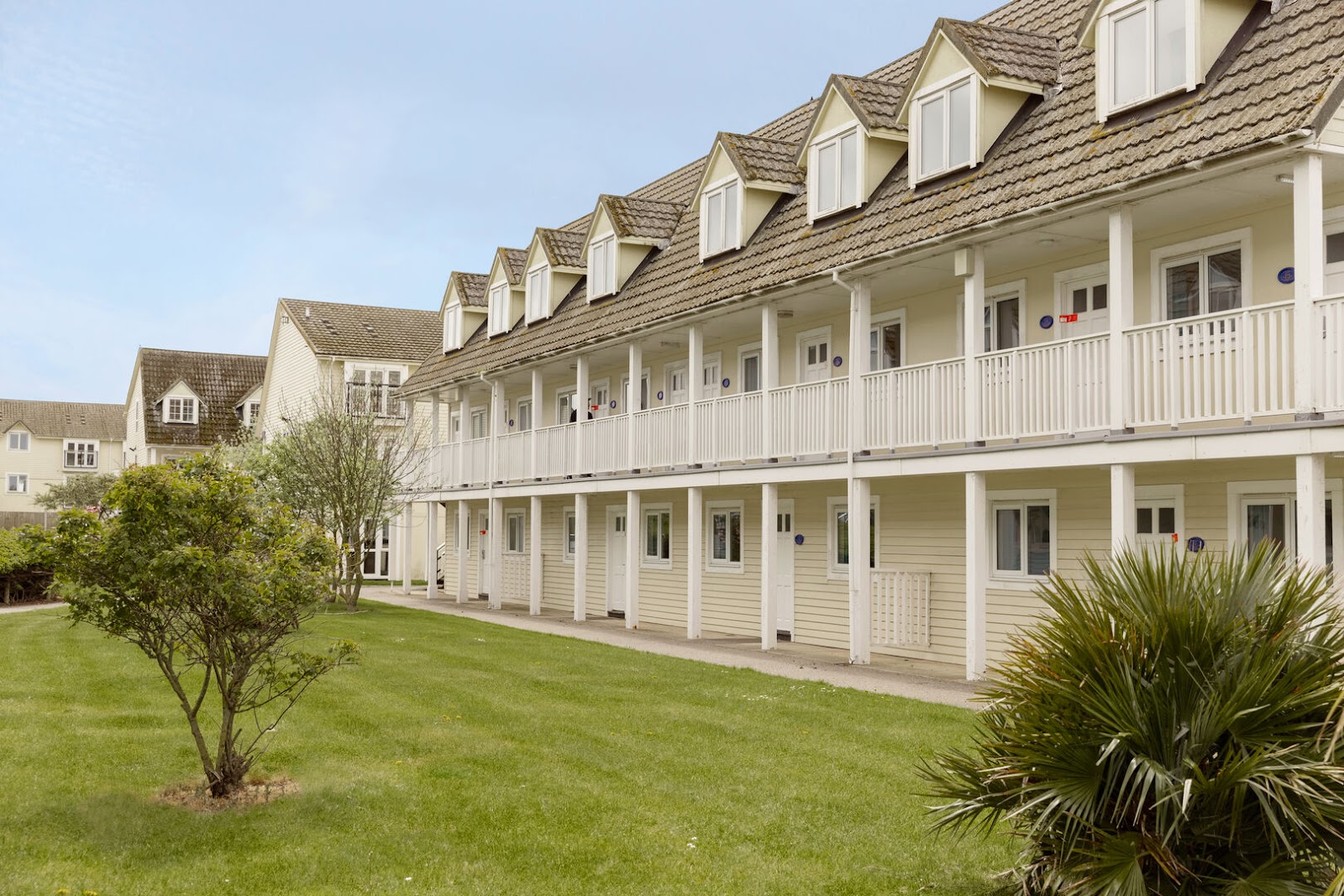
Massive family holiday resort featuring Splash Waterworld, The Fairground, Butlin's SKYPARK, and top-tier live entertainment venues.
Own this business? Claim it free
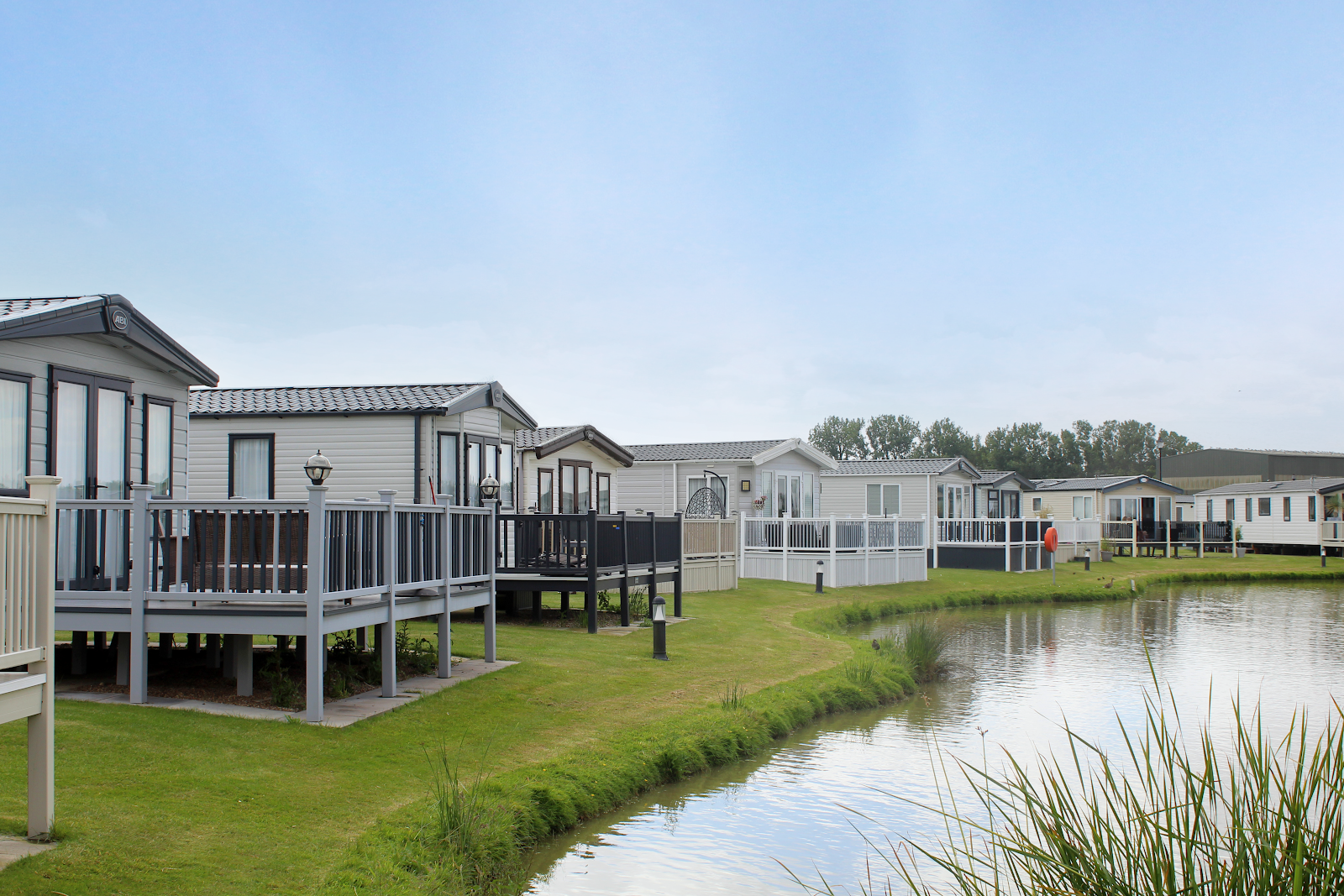
Relaxed countryside-meets-coast park with bar, restaurant and entertainment, just outside Skegness. — caravan park, holiday park, caravan site.
Own this business? Claim it free
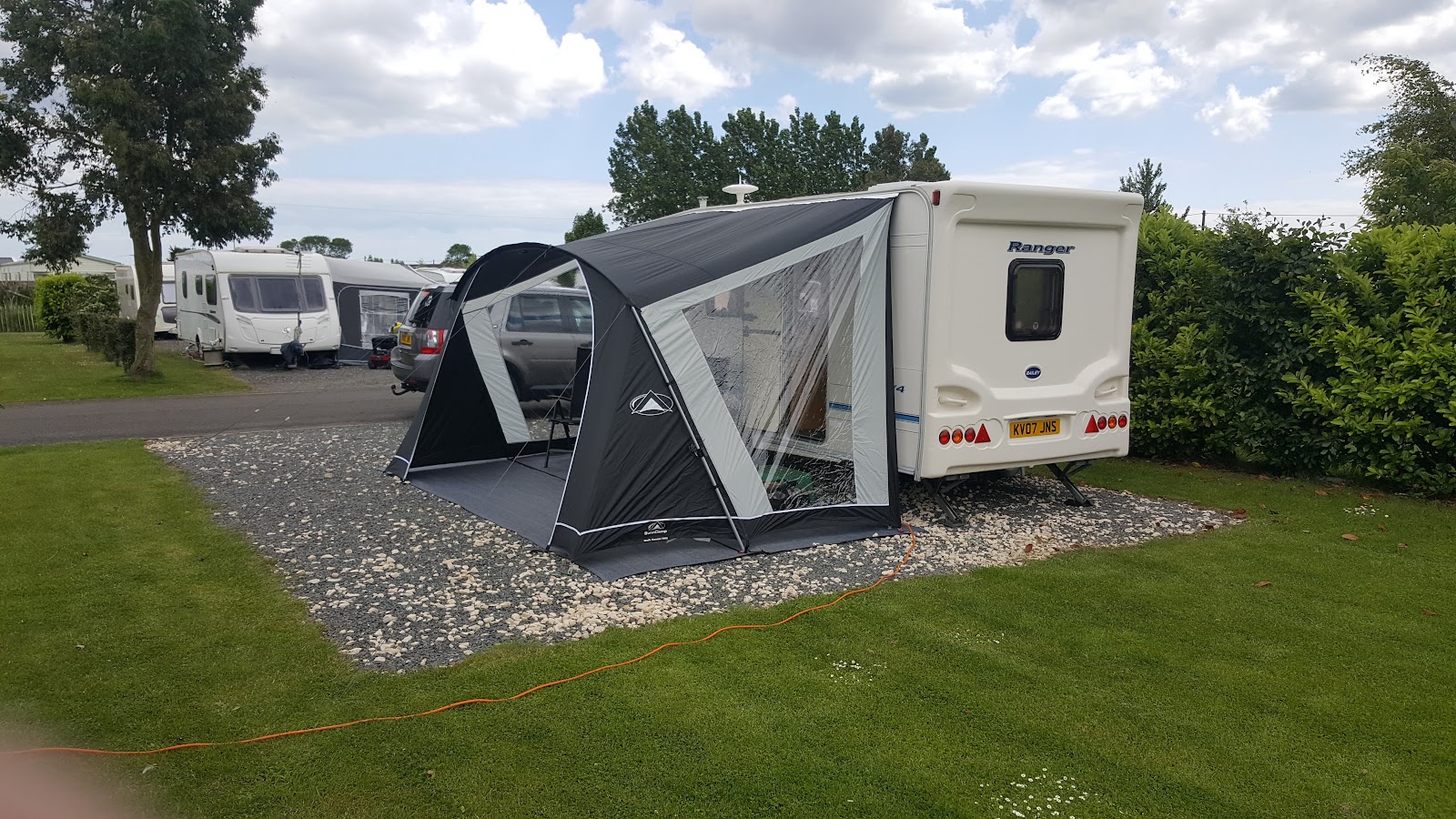
Quiet, well-kept park close to the seafront — ideal for couples and families wanting a peaceful Skegness break. — caravan park, holiday park, caravan site.
Own this business? Claim it free
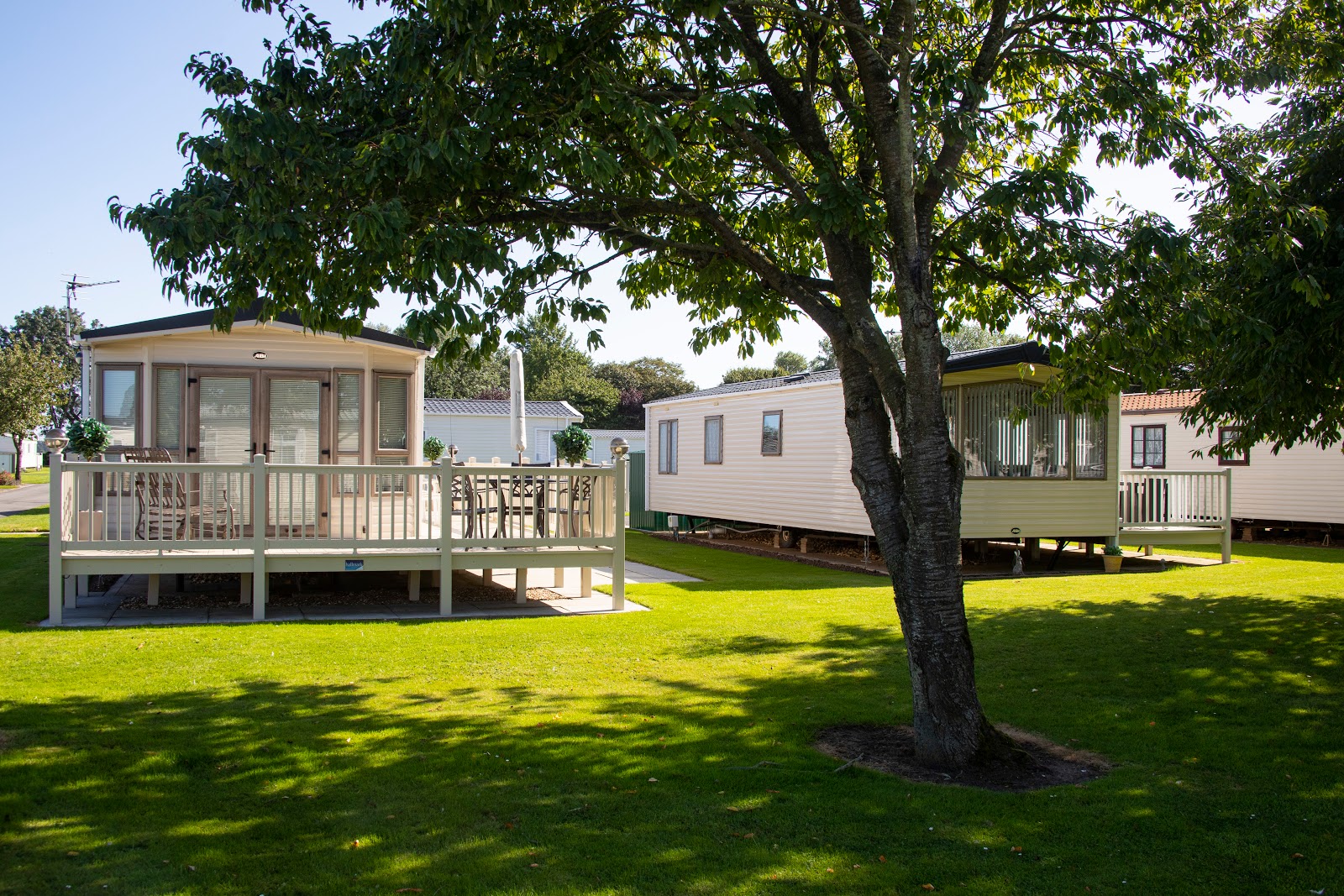
Family caravan park.
Own this business? Claim it free
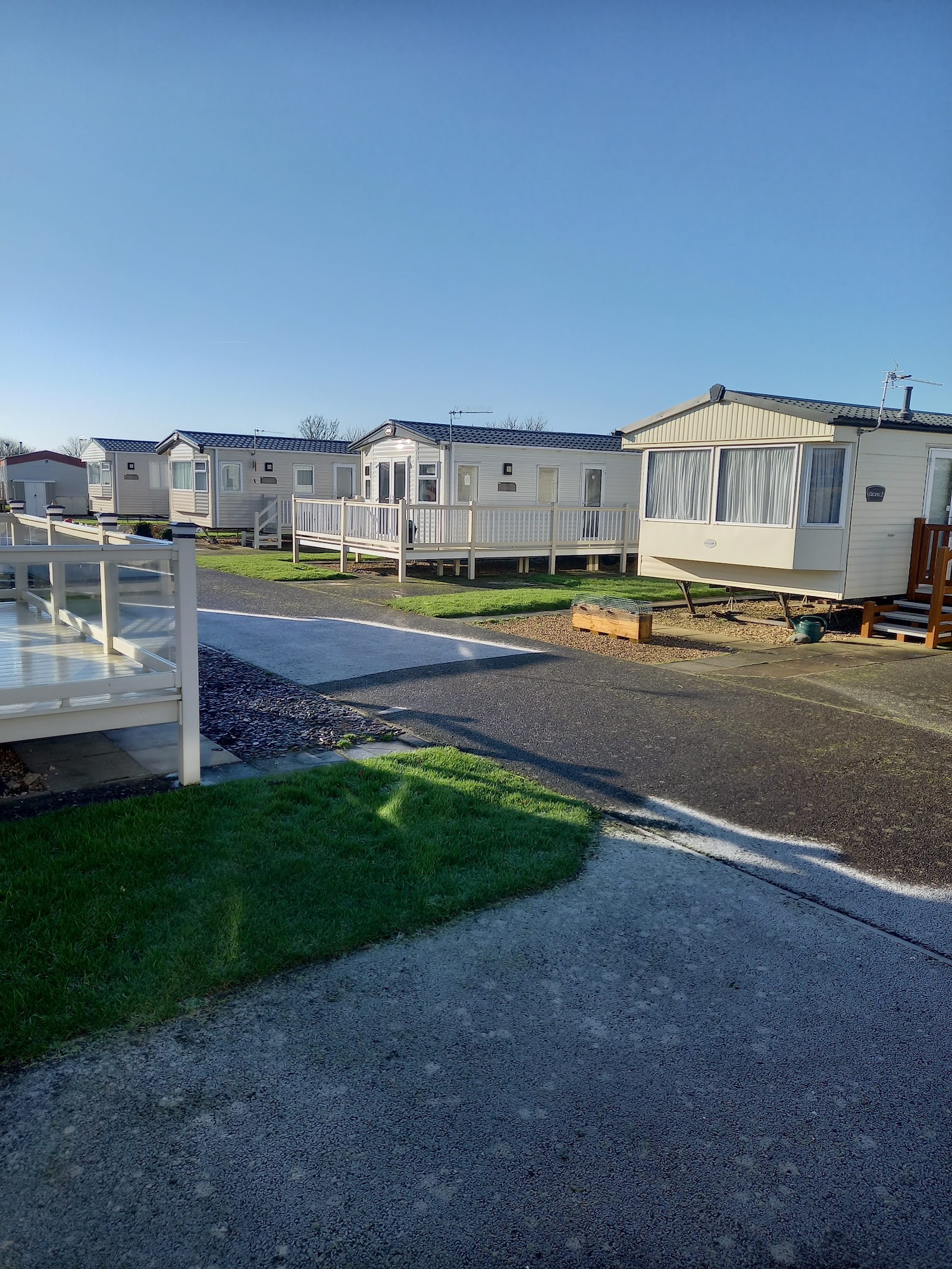
Family-friendly holiday park on the north side of Skegness with pool, club and direct beach access. Caravan park.
Own this business? Claim it free
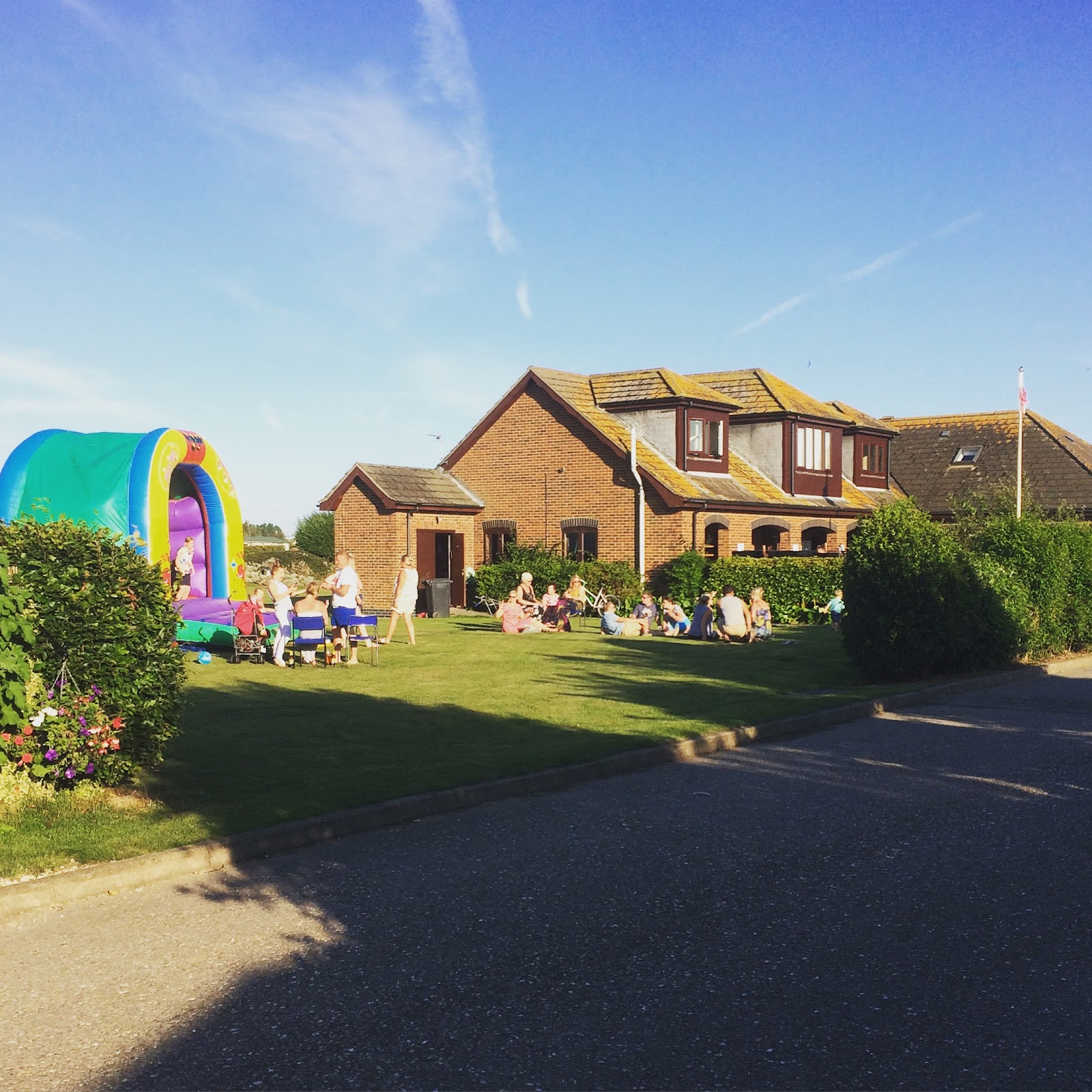
Orchard Holiday Park is a popular caravan parks in Skegness, a friendly local spot well worth a visit on the Lincolnshire coast.
Own this business? Claim it free
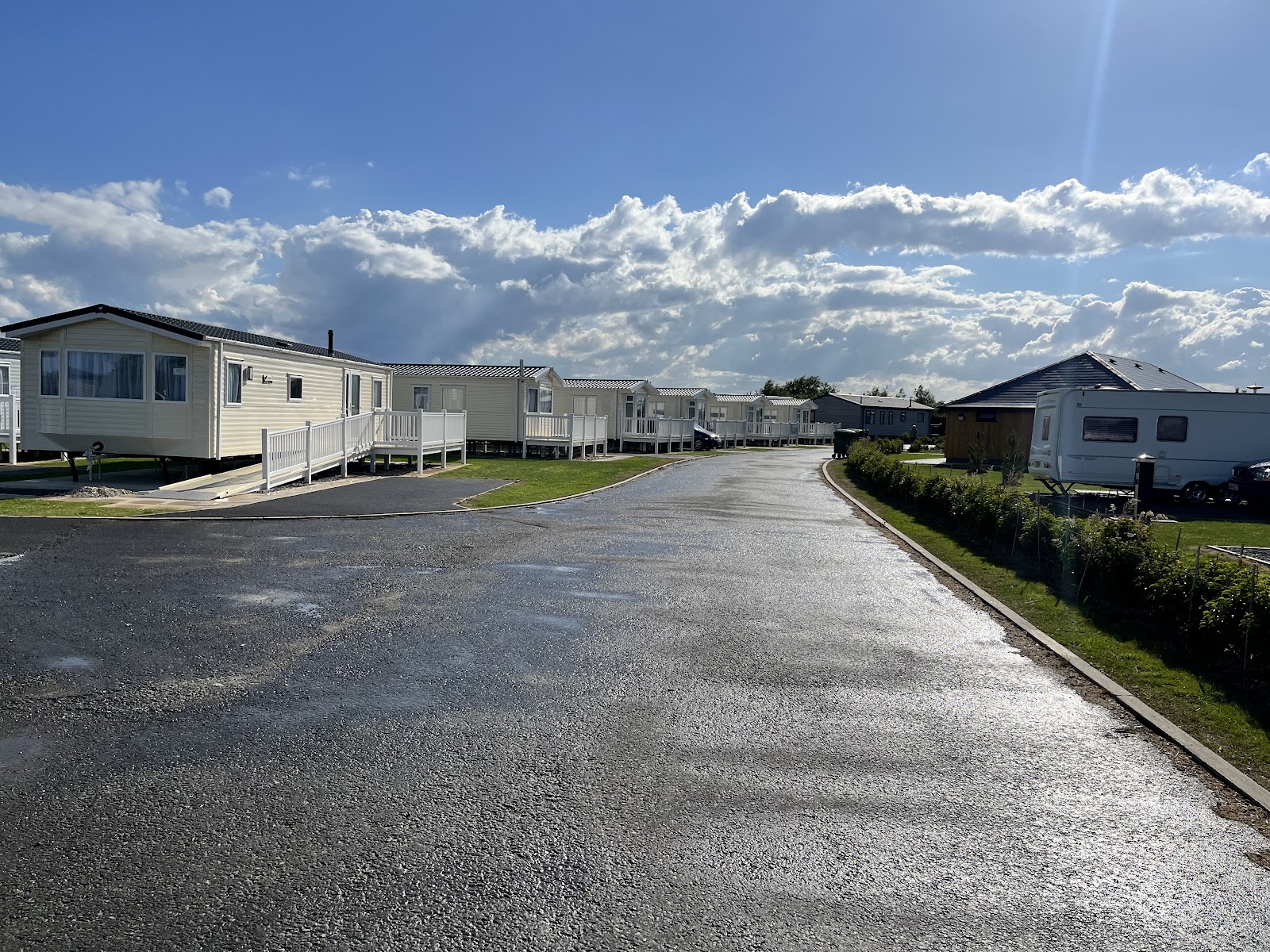
Skegness Fields Holiday Park is a popular caravan parks in Skegness, a friendly local spot well worth a visit on the Lincolnshire coast.
Own this business? Claim it free
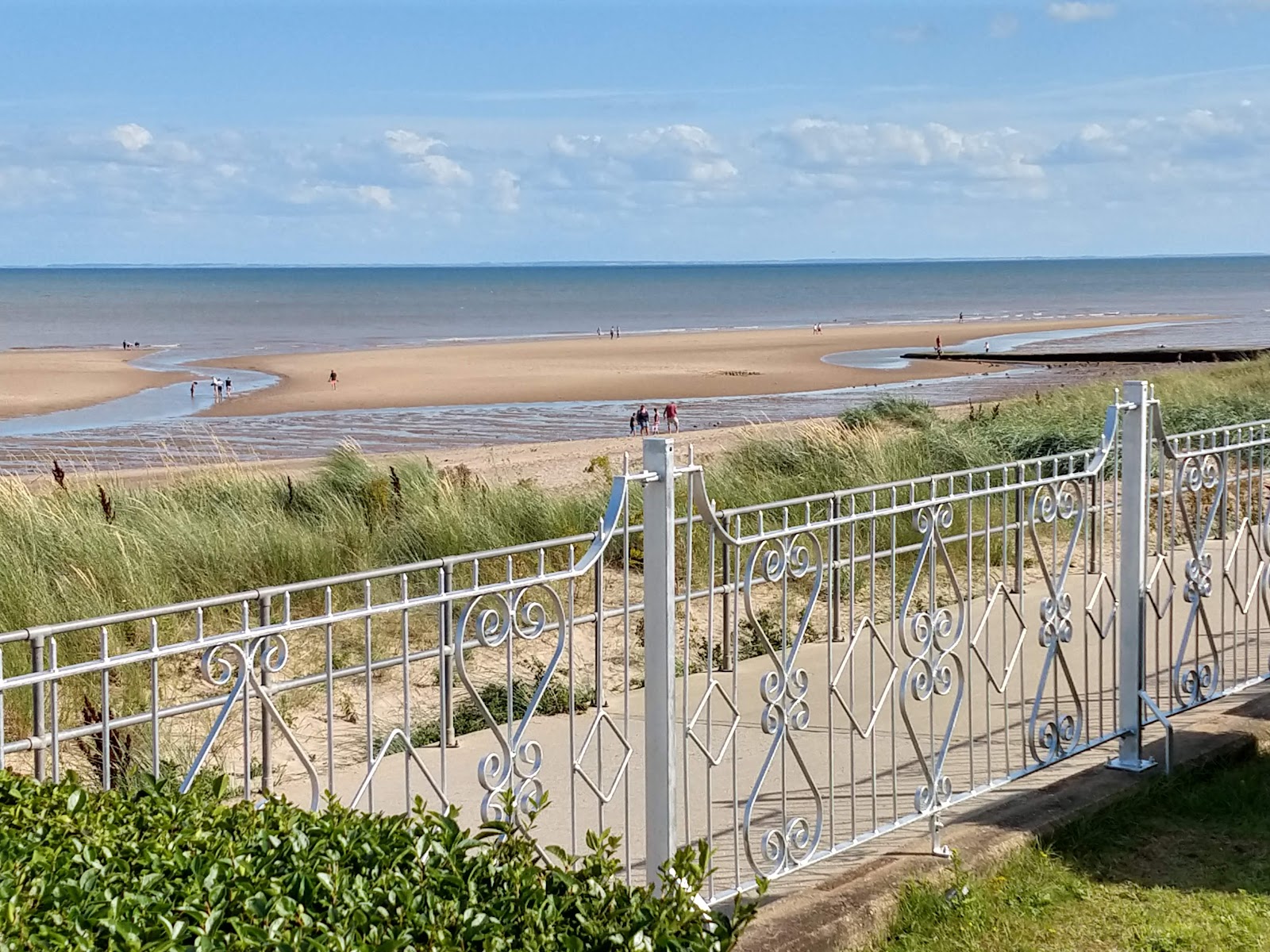
Skegness Sands Club Site is a caravan park in Skegness. Ideal for visitors looking for a coastal stay or holiday break. Find contact details and directions o…
Own this business? Claim it free
Skegness
Coarse fishing lakes, day-ticket ponds and outdoor spots near Skegness — great for an active day out.
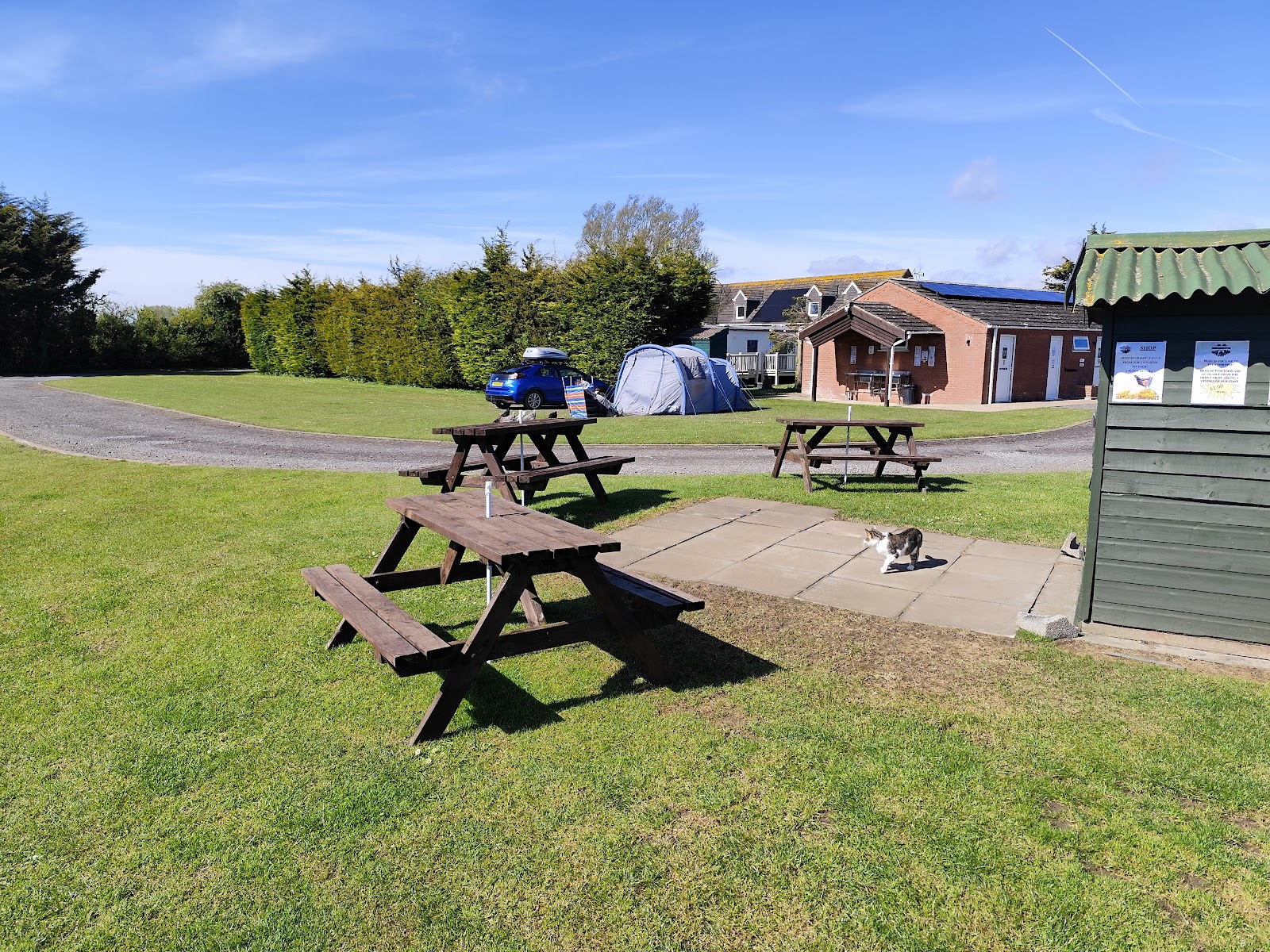
Day-ticket fishing lake with camping and touring pitches.
Own this business? Claim it free
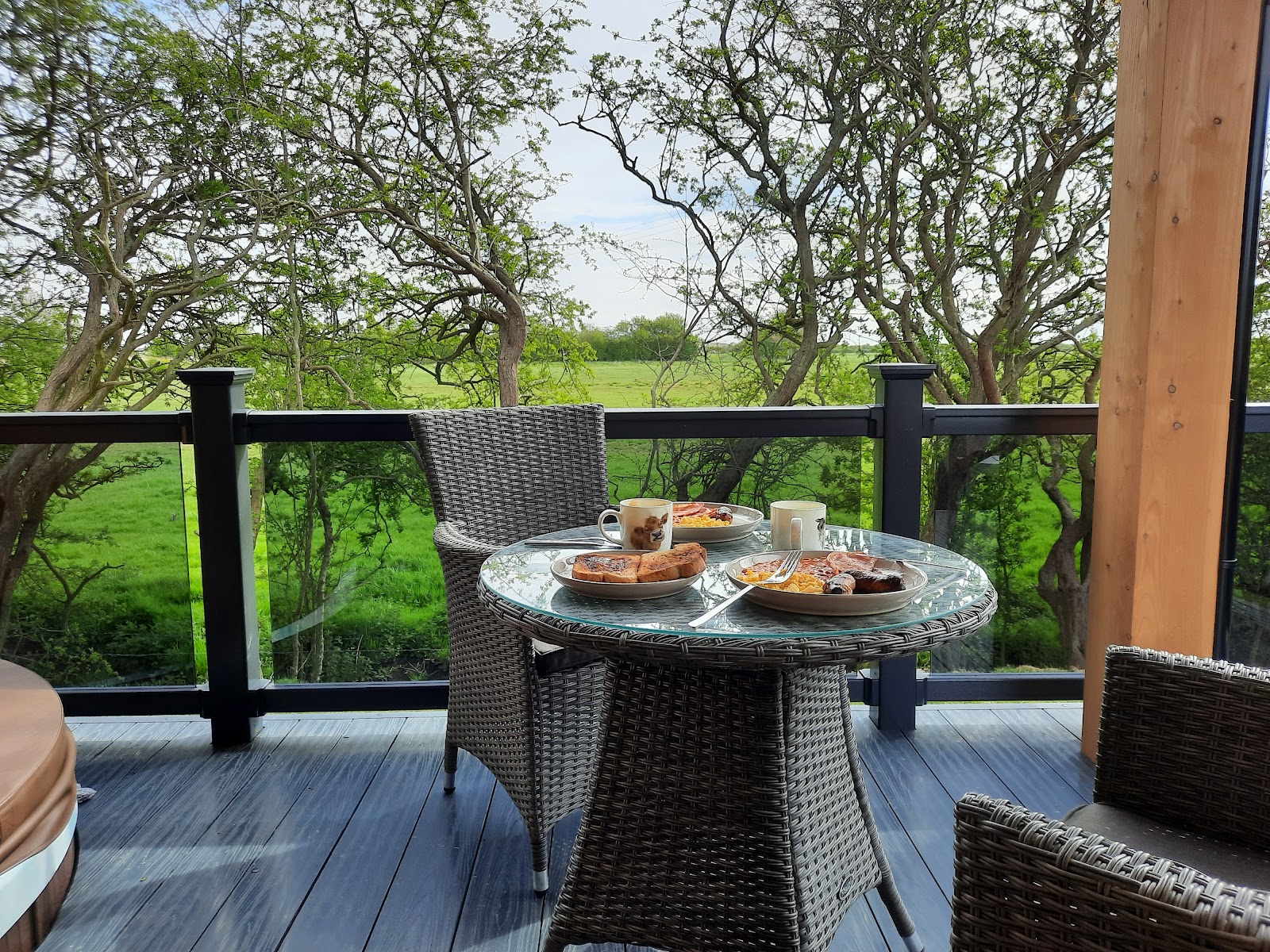
Local fishing lakes & ponds in Skegness. Listing details to be confirmed.
Own this business? Claim it free
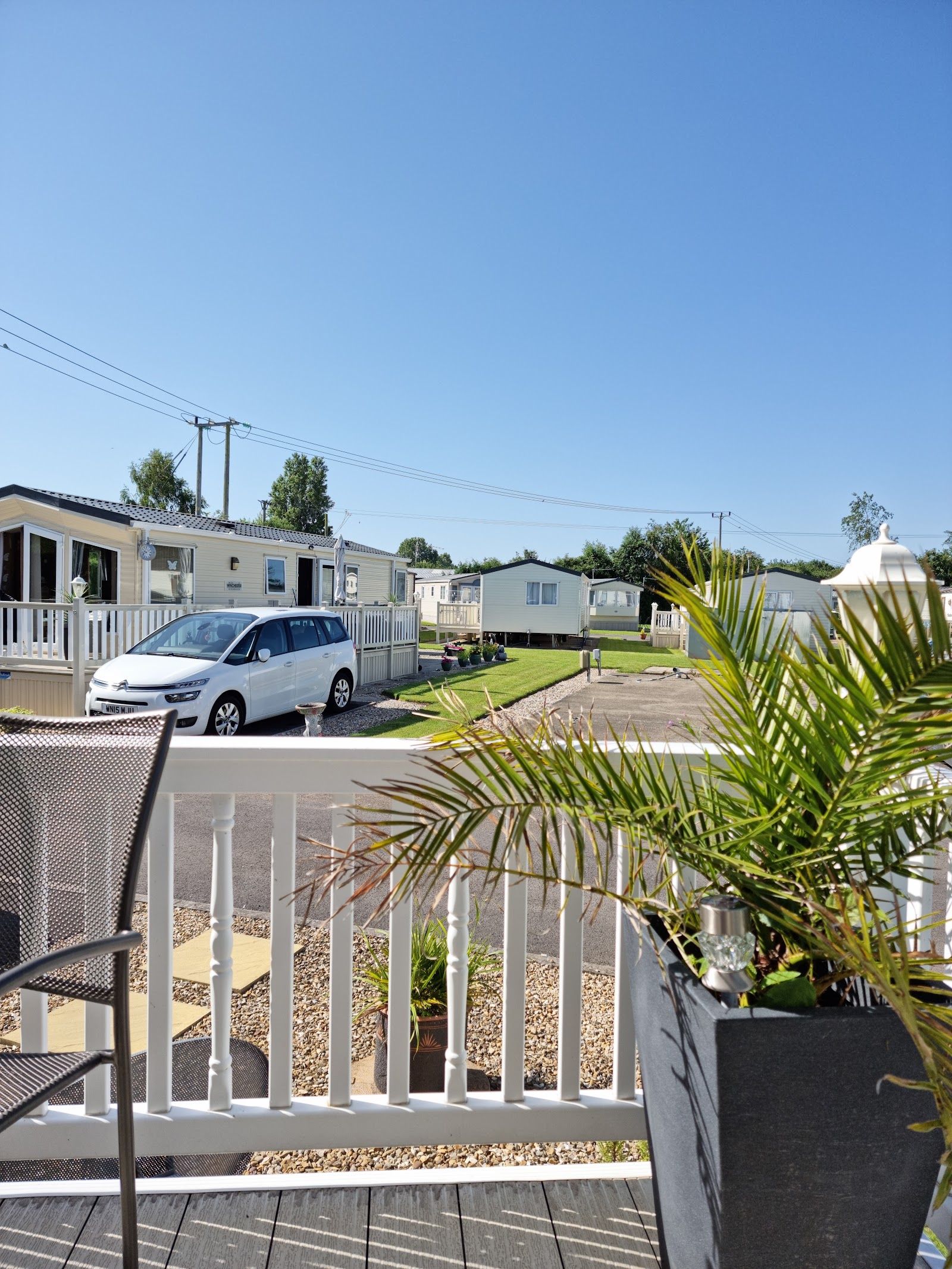
This park features several private fishing lakes stocked with coarse fish. It offers lakeside caravan holiday homes on the outskirts of Skegness.
Own this business? Claim it free
Skegness
Events, attractions, arcades and family fun in Skegness — see what's happening this week.
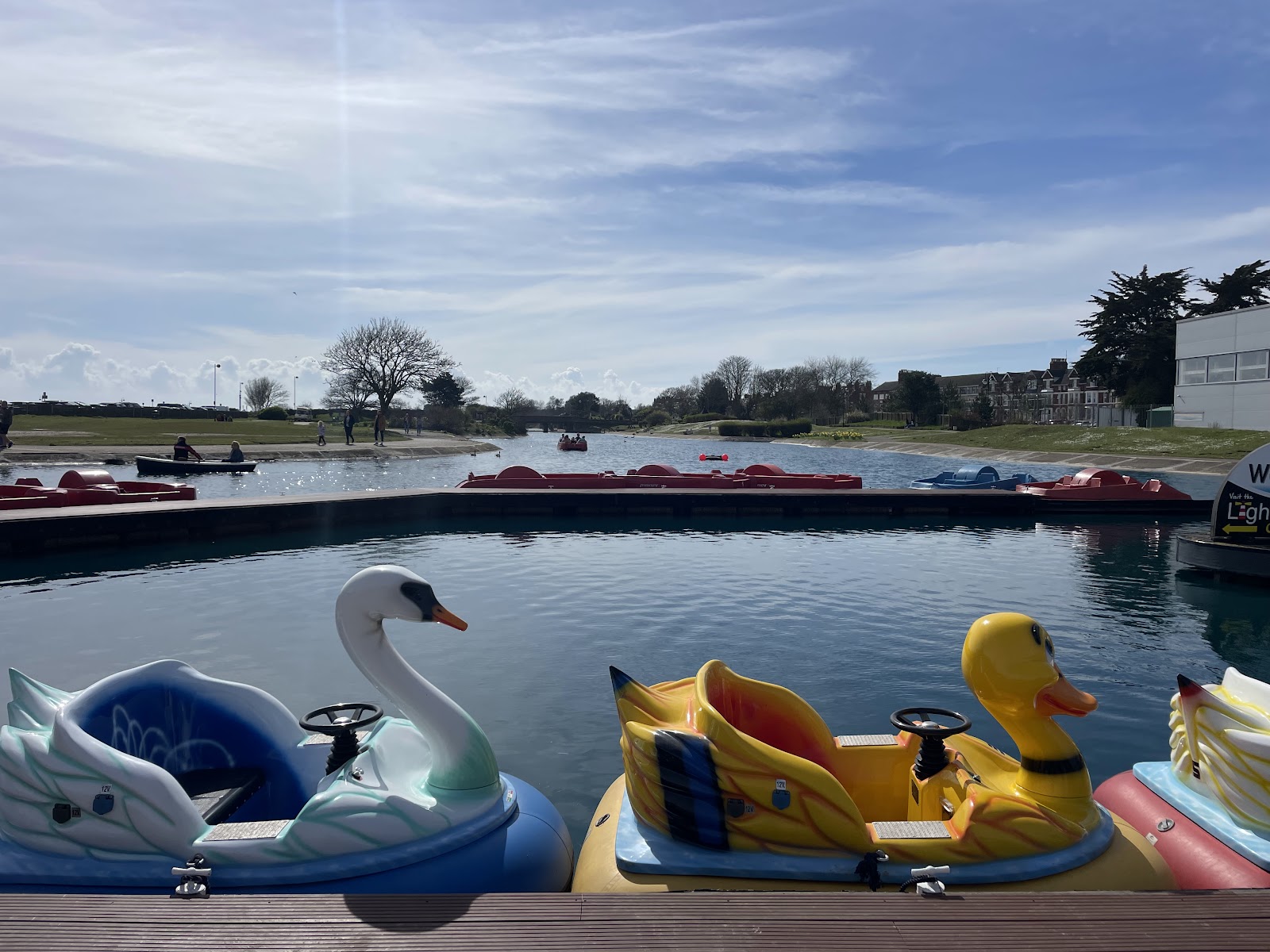
Pedalos and rowing boats by the seafront.
Own this business? Claim it free
Classic British seaside, beloved by families and weekend breakers alike.
Plan your trip
Quick-read guides to help you plan your trip.
More local guides
Useful TripTock guides for Skegness, connected from the main town page.
Local history
Skegness as we know it is barely 150 years old. Before the railway, it was a tiny fishing settlement of fewer than 350 people scattered between the dunes and the marshes. The town that pulls four million visitors a year today was deliberately built — laid out on a grid, sold by the Earl of Scarbrough, and turned into a holiday resort almost from scratch.
The earliest written record of Skegness comes from medieval rolls referring to a small fishing port called "Tric" — almost certainly the same place — that lay on a far older coastline several miles east of the modern town. That coastline was lost. Records from the 1520s describe Skegness as "a great haven and good road for ships," but a series of catastrophic North Sea storms in the sixteenth century washed the original village away entirely.
What rebuilt itself was small — a scattered farming and fishing settlement on the new coastline, ringed by marsh and accessible mainly by cart-track. By the time the first detailed maps appeared in the 1820s, Skegness was still a single dirt road running down to a remote, undeveloped beach. There was no pier, no promenade, no station — and no obvious reason to think any of that would change.
Everything changed in 1873 when the Great Northern Railway extended its line to Skegness. The 9th Earl of Scarbrough, who owned most of the surrounding land, commissioned the surveyor Henry Tippet to lay out a brand-new resort town on a strict grid, with wide tree-lined avenues running back from the seafront. Building plots were sold under tight covenants — no shops on certain streets, no industrial use — to keep the resort attractive to the new middle-class day-trippers from Nottingham, Derby, Leicester and the East Midlands.
The pier opened in 1881 — at 1,843 feet, the fourth-longest in the country at the time. The Jubilee Clock Tower, still the unofficial centre of the town, went up in 1899 to mark Queen Victoria's diamond jubilee. By the early 1900s Skegness had a working population of seasonal hotel staff, a music hall, a switchback railway on the seafront, and the famous "Jolly Fisherman" railway poster — commissioned in 1908 — was already pulling holidaymakers from across the country.
Skegness's defining moment came in April 1936, when Billy Butlin opened his very first holiday camp on a site just north of the town. The model — all-inclusive accommodation, organised entertainment, sports and meals on a single site — was a revolution in British holidaymaking and it spread from Skegness to the rest of the country. Butlin's Skegness still operates on broadly the same site today and remains one of the largest single-site employers in Lincolnshire.
The post-war decades cemented Skegness as the East Midlands' default seaside resort. Caravan parks proliferated along the Roman Bank corridor north toward Ingoldmells, the pier survived a 1978 storm that severed its outer end (the surviving stub was developed into the modern attractions complex), and Fantasy Island opened in 1995, replacing an older fairground site at Ingoldmells with one of the largest free-entry theme parks in Europe.
Modern Skegness is a town of two seasons. From Easter to October it absorbs millions of visitors and runs at full speed; from November to March it returns to a working coastal community of about 20,000 permanent residents. The seafront has been progressively upgraded with new sea defences, the Foreshore landscaping, and the redeveloped Embassy Theatre. The Lincolnshire Coastal Country Park, the regenerated Tower Gardens and a quietly ambitious independent food and craft scene point toward the next chapter.
What hasn't changed is the fundamental appeal: a long flat beach, a working town behind it, and decades of holiday memories baked into the brickwork. For a town that effectively didn't exist 150 years ago, Skegness has become one of the most defining places in the British holiday story.
1873: A handful of fishing cottages and farm tracks. No pier, no station, fewer than 350 residents.
2026: A working seaside town of 20,000 people, four million annual visitors, and the birthplace of Butlin's.
Just along the coast from Skegness — easy to combine in one trip.
Browse more in Skegness, including food, pubs, caravan parks, fishing and what's on, then use the area links below to explore the wider Lincolnshire coast.