TripTockTripTock

What's on in Ingoldmells

Find food, pubs, caravan parks, fishing and things to do in Ingoldmells — all in one place.

Ingoldmells sits just three miles north of Skegness and has, over the past four decades, transformed itself into one of the densest concentrations of holiday parks in the country. Fantasy Island anchors the village — its iconic pyramid visible for miles — and around it sprawls a network of caravan sites, static parks, market stalls, late-opening bars and family-friendly food spots that hum from Easter through to October.

  • 300+ local listings
  • Covering Ingoldmells & nearby
  • Updated regularly
  • Free for businesses

The local guide to Ingoldmells

Ingoldmells sits just three miles north of Skegness and has, over the past four decades, transformed itself into one of the densest concentrations of holiday parks in the country. Fantasy Island anchors the village — its iconic pyramid visible for miles — and around it sprawls a network of caravan sites, static parks, market stalls, late-opening bars and family-friendly food spots that hum from Easter through to October.

Where Skegness leans on its Victorian heritage, Ingoldmells is unapologetically a holiday-park town. That's part of its charm. The legendary outdoor market at Fantasy Island runs most days through the season and is one of the largest of its kind in Europe. Around it you'll find arcades, go-karts, the Sky Wheel, and a thumping nightlife built around bars like Beachcomber, the Warren and Country Park venues — many of which run live entertainment, karaoke and tribute acts most nights of the week.

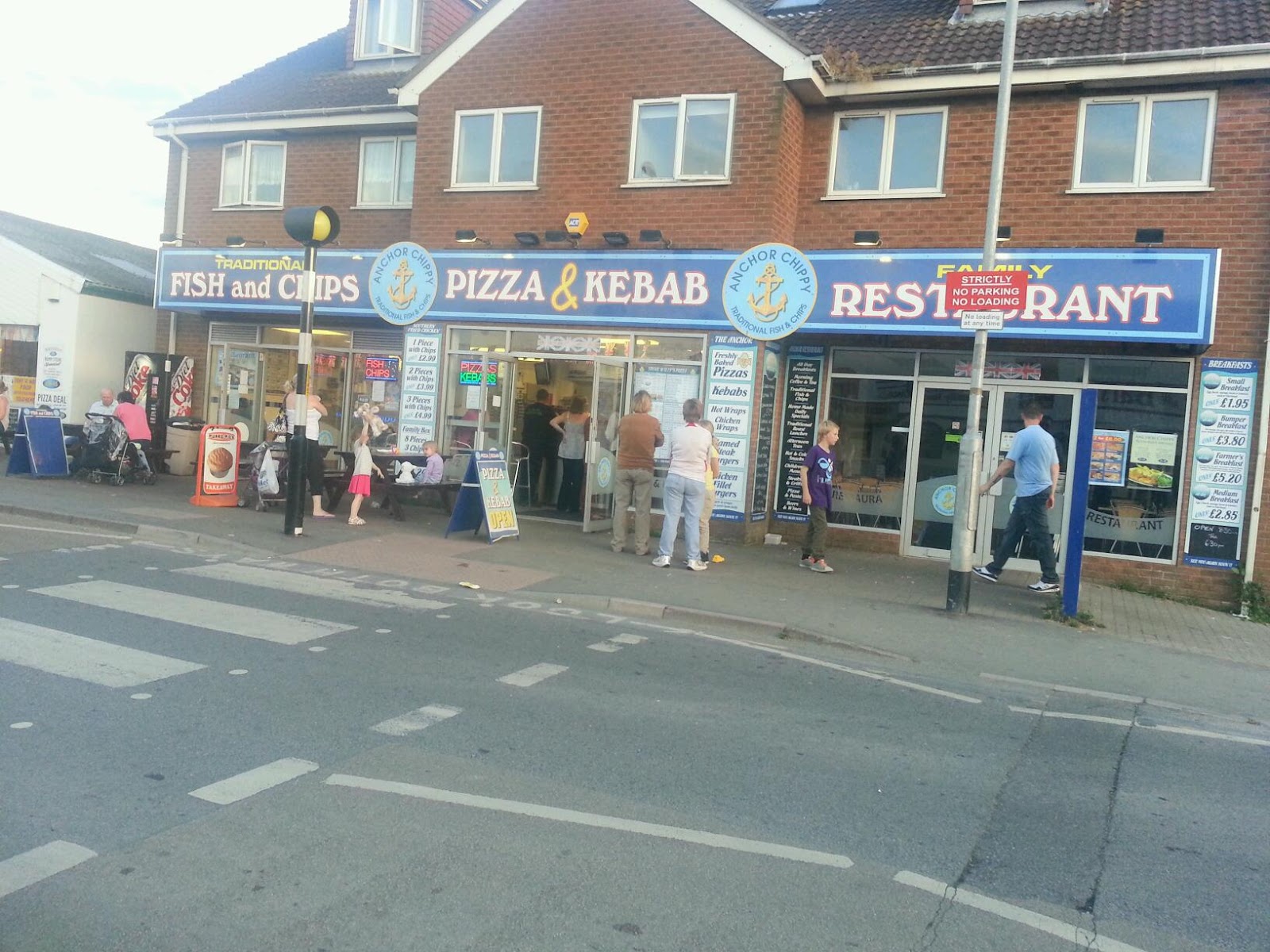
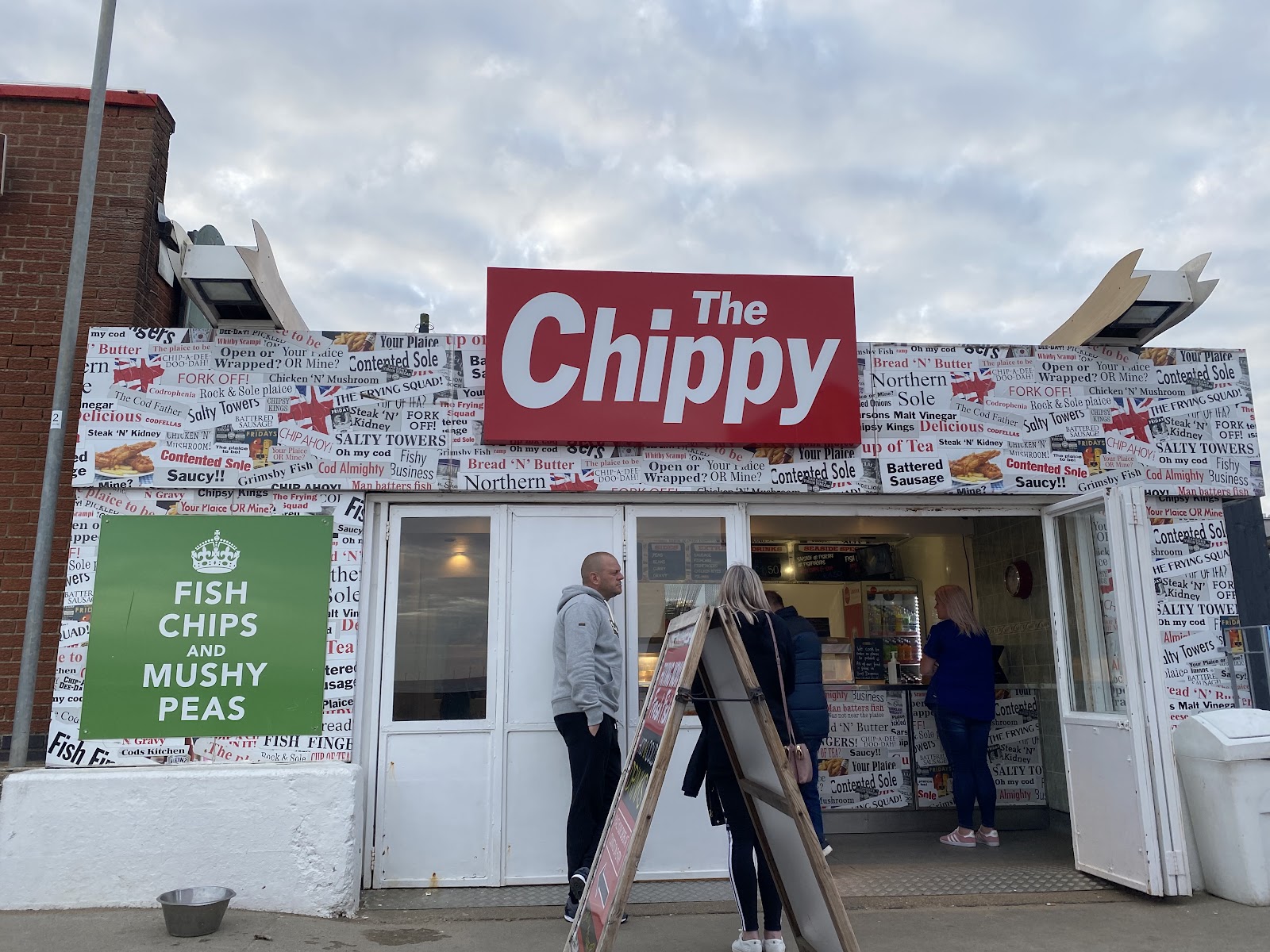
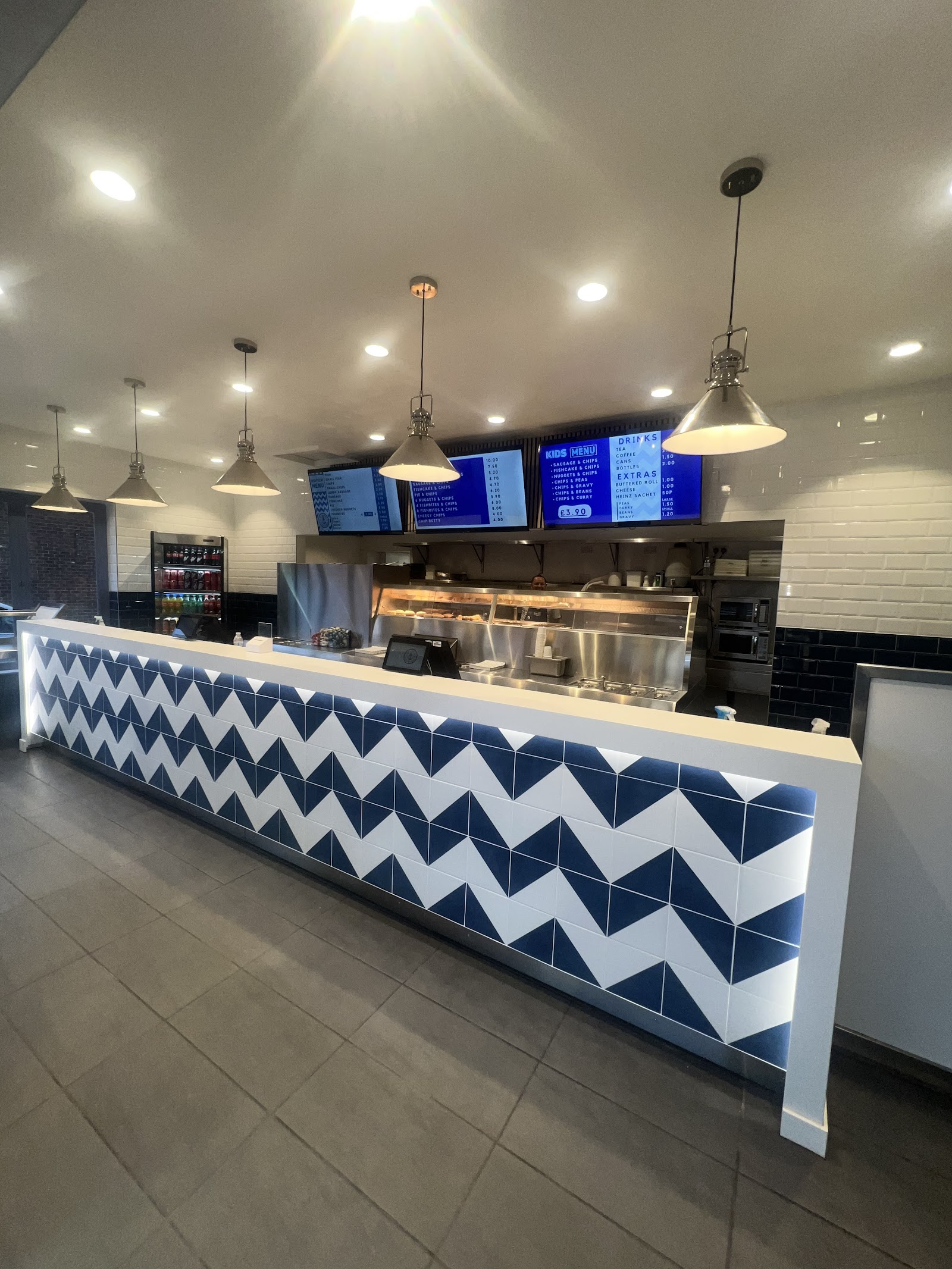
Food in Ingoldmells is built for hungry families and big groups: chippies on every corner, family carveries, all-day breakfast spots, and pizza takeaways that deliver to your caravan door. The seafront is wilder and quieter than Skegness — wide open sand, dunes, and the occasional surfer making the most of an east-coast swell.

If you're staying in a caravan, browsing the listings below is the quickest way to find what's open tonight, what bands are playing this weekend, and which takeaways will deliver to your park. Site owners and bar managers — claiming your TripTock listing is free and pushes you straight to the locals and holidaymakers searching right now.

Explore more in Ingoldmells:PubsTakeawaysCaravan parksThings to do

🔥 What's On Tonight Near You

Find karaoke, bingo, live music and events happening right now.

📍 Shown to people looking for things to do TONIGHT on the Lincolnshire Coast

Loading events…

🚀 Get more calls & bookings tonight

⏰ Be seen first — limited spots

Appear at the top of "What's On Tonight" — from just £4.99

🔥 Get more customers TONIGHT

✅ No contracts  ·  ✅ Instant activation  ·  ✅ Cancel anytime

Showing tonight's events across the coast — see all what's on in Ingoldmells.

Loading Ingoldmells listings…

Popular guides for Ingoldmells

Quick-read guides to help you plan your trip.

Local history

The history of Ingoldmells

Ingoldmells looks, on first glance, like a 1970s caravan town that grew up around Fantasy Island. The reality is much older — and much more important to British holiday history. The first ever Butlin's camp opened here in 1936, and the Domesday Book recorded a settlement on roughly the same site nearly a thousand years before that.

Early history

Ingoldmells is recorded in the Domesday Book of 1086 as "Guldelsmere" — a small Anglo-Scandinavian settlement on the saltmarsh edge of what was then a much wider Lincolnshire fenland coast. The name itself is Old Norse: "Ingjald's sand-banks," reflecting the wave of Viking-era settlement across this part of the East Midlands. For centuries the village made its living from salt-making (a hugely profitable industry in medieval England), fishing, and small-scale sheep grazing on the marshes behind the dunes.

St Peter and St Paul's Church, parts of which date to the twelfth century, is the only substantial pre-modern building still standing in the village. The medieval coastline ran considerably further east than today's beach, and erosion combined with managed reclamation gradually pushed the village inland. By the eighteenth century, Ingoldmells was an unremarkable agricultural parish of fewer than 200 people.

Seaside growth

Skegness's railway-era boom from the 1870s onward had a quieter knock-on effect at Ingoldmells. As Skegness filled up in summer, day-trippers and longer-stay visitors began walking and cycling north along the dunes to find quieter beaches. The first basic camping fields opened around the village in the 1890s, catering to working-class families from the East Midlands who couldn't afford the new Skegness boarding houses.

Through the early twentieth century the village remained tiny — but the framework was there: cheap land, a sandy beach, easy reach from Skegness station, and a tradition of low-cost holidaying. It was exactly the combination Billy Butlin was looking for.

The tourism boom

On Easter Saturday, 11 April 1936, Billy Butlin opened the first ever Butlin's holiday camp on a 200-acre site at Ingoldmells. The camp was an instant phenomenon — the all-in-one model of accommodation, meals, entertainment, sport and childcare on a single fenced site was completely new in Britain, and it sold out for years in advance. The Ingoldmells site is the founding location of the entire Butlin's brand and is one of three camps the company still operates today.

Butlin's success transformed Ingoldmells. Independent caravan parks sprang up along Roman Bank and Sea Lane through the 1950s and 1960s; the famous Ingoldmells outdoor market opened in the early 1970s and became one of the largest of its kind in Europe; and Fantasy Island, opening in 1995, gave the village a free-entry theme park to rival the seafront attractions of Skegness. By the late twentieth century the village's population had multiplied many times over, and it had effectively merged with Skegness into a continuous resort strip.

Modern day

Today Ingoldmells is, per acre, one of the most caravan-dense places in the UK. The permanent population is small — around 1,500 — but the seasonal population swells into the tens of thousands. Fantasy Island and the Ingoldmells Market are still the two biggest single attractions; the bar and entertainment scene around the Beachcomber, the Warren and the Country Park venues runs hard from Easter to October; and the original Butlin's site continues to evolve with regular major investment.

The challenge facing Ingoldmells is the same one facing the whole Lincolnshire Coast: shifting it from a deeply seasonal economy to a year-round one. Off-season the village is quiet to the point of feeling abandoned. But the foundations laid in 1936 — affordable, accessible, family-friendly seaside holidays — are exactly the foundations the modern industry is building on.

Then

1936: Easter weekend. Billy Butlin opens the first ever holiday camp on a 200-acre site behind the dunes.

Now

2026: One of the densest concentrations of caravan parks in Europe, with Fantasy Island, the market and the original Butlin's still trading on the same sites.

Own a business in Ingoldmells?

  • ⚡ Get listed in 60 seconds
  • 📞 Start getting calls today
  • ✅ 100% free — no card required
Claim your listing FREE →

Explore nearby areas

Just along the coast from Ingoldmells — easy to combine in one trip.

That's the round-up for Ingoldmells. Use TripTock to discover more food, pubs, caravan parks, fishing and what's on across the Lincolnshire coast — all updated regularly by the local TripTock team.